
Best Car Insurance Companies — Kentucky
Free to compare
Which Carriers Write Multi-Car Policies in Kentucky
You own two or more vehicles in Kentucky and you need to know which carriers will write a single policy covering all of them. Kentucky requires $25,000 per person and $50,000 per accident in bodily injury liability, $25,000 in property damage liability, and personal injury protection on every vehicle you register. Nineteen carriers write auto insurance in Kentucky, and most will place multiple vehicles on one policy when they share a garaging address and the same named insured.
The multi-car discount exists because insurers price risk across the entire household. When you place three cars on one policy rather than three separate policies, the carrier sees the full household exposure and typically prices the combined policy lower than the sum of three individual premiums. Not every carrier structures the discount the same way, and some require every vehicle to garage at the same address while others allow different garaging locations within the same county.
“Kentucky's mandatory PIP requirement applies to every vehicle on your policy, and carriers price those limits differently.”

Check Your Rate Against Other Kentucky Drivers
Get My Kentucky Car Insurance Quote$25,000 / $50,000 / $25,000
Kentucky Minimum Liability Limits
Bodily injury per person, bodily injury per accident, and property damage per accident. Every vehicle on your policy must carry at least these amounts to register and drive legally in Kentucky.
Kentucky Transportation Cabinet
Kentucky Does Not Use SR-22 Filing
Kentucky enforces mandatory insurance through direct verification and registration revocation, not through an SR-22 or FR-44 certificate. If you are comparing carriers based on SR-22 capability, that attribute does not apply in this state. The Kentucky Transportation Cabinet verifies insurance electronically at registration and renewal, and operating without insurance triggers a $40 reinstatement fee plus potential fines and jail time.
This structural reality means you evaluate carriers on policy structure, PIP limits, and how they price multiple vehicles on one policy, not on filing capability. Carriers that advertise SR-22 filing in other states do not offer it here because the state does not require it. When you add a second or third vehicle to your policy, the carrier re-rates the entire policy based on the combined exposure, and the absence of a filing requirement does not change that pricing mechanism.
The carriers licensed in Kentucky include State Farm, Geico, Progressive, Allstate, Farmers, Nationwide, Liberty Mutual, USAA, Travelers, National General, Erie, Auto-Owners, Hartford, CSAA, Amica, Shelter, Dairyland, Bristol West, Root, and Clearcover. Each writes standard auto policies; some specialize in preferred-tier households, others in non-standard or higher-risk drivers.
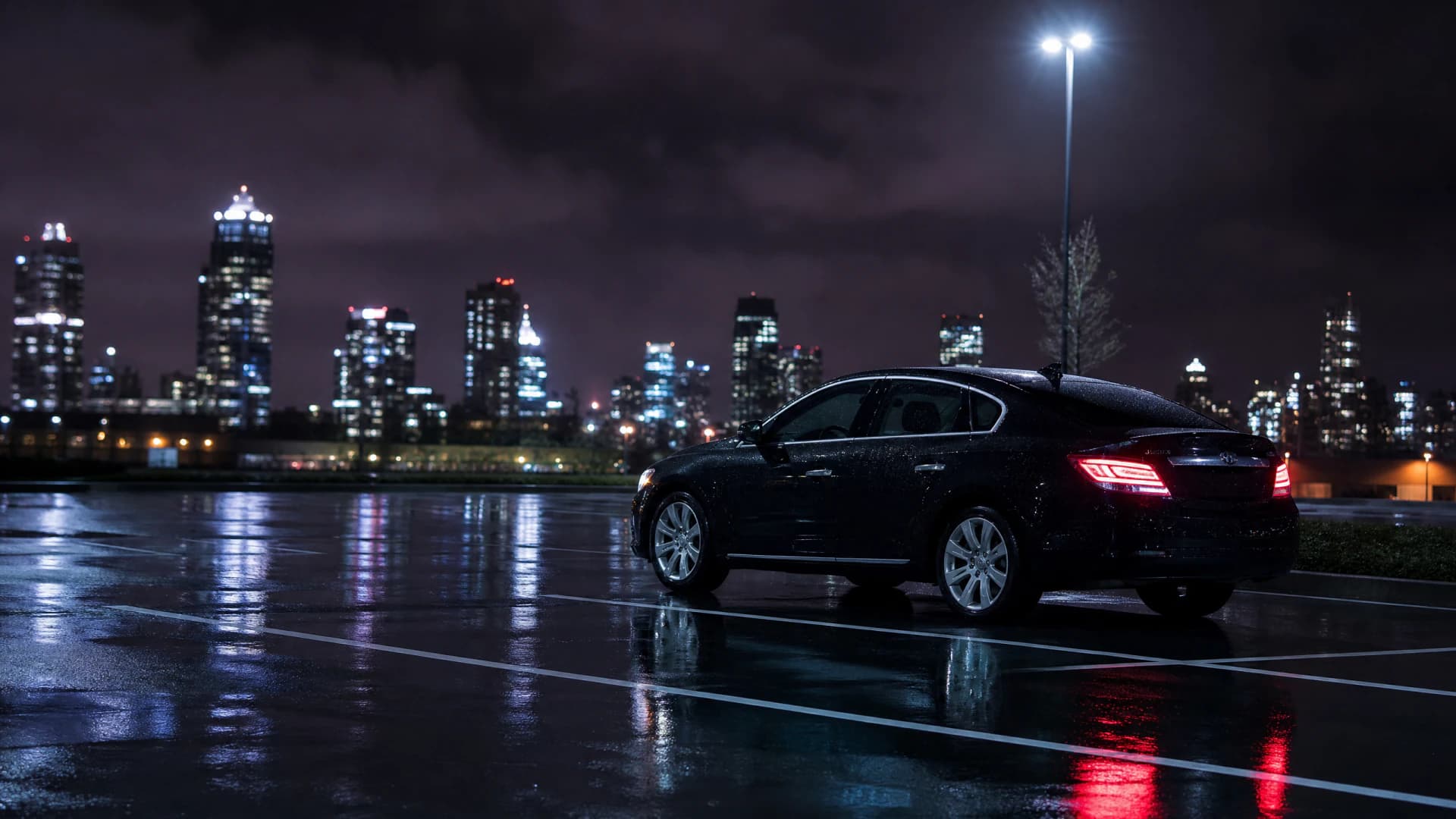
Kentucky's mandatory PIP requirement applies to every vehicle on your policy. Carriers price PIP differently, and that difference compounds across multiple cars.
Related Articles







Preferred-Tier Versus Non-Standard Carriers
Carriers segment into tiers based on the risk profile they underwrite. Preferred-tier carriers write households with clean driving records, good credit where credit-based pricing is lawful, and no recent at-fault accidents or violations. Standard-tier carriers write a broader range of risk profiles, including drivers with one or two violations or a recent at-fault accident. Non-standard carriers specialize in higher-risk drivers: multiple violations, DUI convictions, suspended licenses, or drivers who cannot qualify for standard coverage.
If your household includes a driver with a recent DUI conviction or multiple moving violations, preferred-tier carriers may decline to write the policy or price it prohibitively high. Non-standard carriers like Dairyland, Bristol West, and National General write these households routinely and price them more competitively than a preferred-tier carrier stretching outside its underwriting guidelines. The trade-off: non-standard carriers typically offer fewer discount options and less flexible payment terms than preferred-tier carriers.
USAA, Amica, Erie, and Auto-Owners sit at the preferred end of the tier spectrum. They write households with strong credit and clean records, and they price those households lower than standard-tier competitors. State Farm, Geico, Progressive, Allstate, and Farmers write both preferred and standard tiers, segmenting households into different underwriting companies within the same brand. If you request a quote from one of these carriers and the price seems high, ask whether you were quoted through their preferred or standard company.
Root and Clearcover are app-based carriers that price primarily on telematics data rather than traditional credit and demographic factors. If your household includes younger drivers or drivers with thin credit files, these carriers may price more competitively than traditional preferred-tier carriers. Both require you to install a telematics app and complete a monitoring period before finalizing the quote.
19 carriers
Carriers Licensed in Kentucky
State Farm, Geico, Progressive, Allstate, Farmers, Nationwide, Liberty Mutual, USAA, Travelers, National General, Erie, Auto-Owners, Hartford, CSAA, Amica, Shelter, Dairyland, Bristol West, Root, and Clearcover all write auto policies in Kentucky and will place multiple vehicles on one policy when underwriting guidelines allow.

How Adding a Vehicle Re-Rates the Policy
When you add a second or third vehicle to an existing policy mid-term, the carrier re-rates the entire policy rather than simply adding a flat amount for the new car. The multi-car discount applies to the combined policy, but the carrier also recalculates liability limits, PIP coverage, collision and comprehensive deductibles, and any other coverages across all vehicles. If the new vehicle is newer, more expensive, or driven by a higher-risk household member, the re-rating can increase the total premium more than you expect.
Most carriers provide a grace period during which a newly purchased vehicle is automatically covered under your existing policy. That grace period ranges from 14 to 30 days depending on the carrier. You must notify the carrier and formally add the vehicle within that window, or the new car loses coverage. Missing the window means any claim on the new vehicle during the gap period will be denied, even if the other vehicles on your policy remain covered.
Compare Carriers That Write Your Household
Request quotes from at least three carriers in different tiers. If your household has clean records and strong credit, start with preferred-tier carriers: USAA if you qualify for membership, Amica, Erie, or Auto-Owners. If your household includes a driver with one or two violations or a recent at-fault accident, request quotes from standard-tier carriers like State Farm, Geico, Progressive, or Allstate. If your household includes a driver with a DUI conviction, multiple violations, or a suspended license, request quotes from non-standard carriers like Dairyland, Bristol West, or National General.
When you request quotes, provide the same coverage limits, deductibles, and PIP selections to every carrier so you compare equivalent policies. A quote with a $500 collision deductible and $50,000 PIP limit is not comparable to a quote with a $1,000 deductible and $25,000 PIP. Specify every vehicle's year, make, model, and annual mileage, and name every household member who will drive any of the vehicles. Omitting a driver or vehicle from the quote produces an inaccurate premium that will increase when you bind the policy.
What to Compare Across Carriers
Start with policy structure. Most carriers will place two, three, or four vehicles on one policy when the named insured owns or co-owns every vehicle and they share a primary garaging address. Some carriers allow different garaging addresses within the same county; others require every vehicle to garage at the same location. If you own a car garaged at your primary residence and a second car garaged at a college-age child's apartment in another city, ask each carrier whether that structure qualifies for the multi-car discount or requires separate policies.
PIP pricing varies significantly across carriers. Kentucky mandates PIP but allows you to choose your limit, and carriers price those limits differently. Multiply that across twelve months and the PIP pricing difference alone can exceed $500 annually on a three-car policy. Compare PIP limits and pricing explicitly when you request quotes.
Get Your Free Quote
Get My Kentucky Car Insurance QuoteFrequently Asked Questions
Which car insurance company is cheapest for multiple cars in Kentucky?
The lowest-cost carrier varies by household driving records, vehicle types, and garaging location. Preferred-tier carriers like USAA, Amica, and Erie typically price lower for households with clean records, while non-standard carriers like Dairyland and Bristol West price more competitively for households with violations. Request quotes from carriers in the tier that matches your household's risk profile.
Do all Kentucky car insurance companies offer a multi-car discount?
Most carriers licensed in Kentucky offer a multi-car discount when you place two or more vehicles on one policy. The discount applies when the vehicles share a garaging address and the same named insured. Some carriers require every vehicle to garage at the same location; others allow different addresses within the same county.
Can I insure two cars with different insurance companies in Kentucky?
Yes, you can place each vehicle on a separate policy with different carriers, but you lose the multi-car discount that applies when all vehicles sit on one policy. Most households pay less when they combine vehicles on one policy with one carrier rather than splitting them across multiple carriers.
Does Kentucky require SR-22 insurance for multiple cars?
No, Kentucky does not use SR-22 or any insurer-filed certificate. The state enforces mandatory insurance through direct electronic verification at registration and renewal. If your license was suspended, you pay a $40 reinstatement fee to the Kentucky Transportation Cabinet, but no SR-22 filing is required.
How does PIP coverage work on a multi-car policy in Kentucky?
Kentucky requires personal injury protection on every vehicle you register. When you place multiple vehicles on one policy, PIP applies per vehicle, and the carrier prices each vehicle's PIP coverage separately. A carrier that prices PIP higher per vehicle will cost more on a multi-car policy than a carrier pricing it lower.
What happens if I add a car to my policy mid-term in Kentucky?
The carrier re-rates your entire policy when you add a vehicle mid-term, applying the multi-car discount to the combined policy but also recalculating liability, PIP, and physical damage coverages across all vehicles. Most carriers provide a 14- to 30-day grace period during which the new vehicle is automatically covered, but you must notify the carrier and formally add it within that window.