
Driving Without Insurance Suspension — Kentucky
Free to compare
Kentucky Suspends Your License for 365 Days
Kentucky law suspends your driver's license for exactly 365 days when you are caught driving without insurance. The Kentucky Transportation Cabinet Division of Driver Licensing issues the suspension automatically once the violation is processed. The suspension period starts from the date the Cabinet issues the withdrawal order, not the date you were pulled over.
This suspension applies whether you forgot to renew your policy, let coverage lapse between vehicles, or never carried insurance at all. The 365-day period is set by statute and does not vary based on how long you drove uninsured or whether this is your first offense. Once the suspension is in place, you cannot legally drive in Kentucky without a hardship license issued by a circuit court.
“The hardship license does not shorten your suspension—it lets you drive during the 365 days for work and medical needs only.”

Check Your Rate Against Other Kentucky Drivers
Get My Kentucky Car Insurance Quote365 days
Kentucky Uninsured Suspension
The suspension period is fixed by Kentucky statute for driving without insurance. The clock starts when the Transportation Cabinet issues the withdrawal order, not when you were cited.
Kentucky Transportation Cabinet
The Suspension Is Not Negotiable, but Hardship Driving Is
The 365-day suspension cannot be shortened by paying a fine, completing a course, or filing an SR-22. Kentucky does not use SR-22 certificates. The state enforces mandatory insurance through direct verification and registration revocation, not insurer-filed proof forms. No filing or payment reduces the suspension length.
What you can do is apply for a hardship license. Kentucky calls it a hardship drivers license under 601 KAR 12:060. The hardship license allows you to drive during the suspension period for specific purposes: work, medical appointments, court-ordered obligations, and educational needs. You cannot use it for recreational driving. The circuit court that withdrew your driving privilege issues the hardship order, and you apply at the circuit court clerk driver-licensing office in your county of residence.
You must bring the court order granting the hardship privilege, identification, and the license-withdrawal notice the Transportation Cabinet sent you. Once the circuit court clerk processes your application, the Kentucky Transportation Cabinet issues the hardship license. You must carry proof of insurance from that point forward. Driving on a hardship license without insurance triggers a new violation and a new suspension.
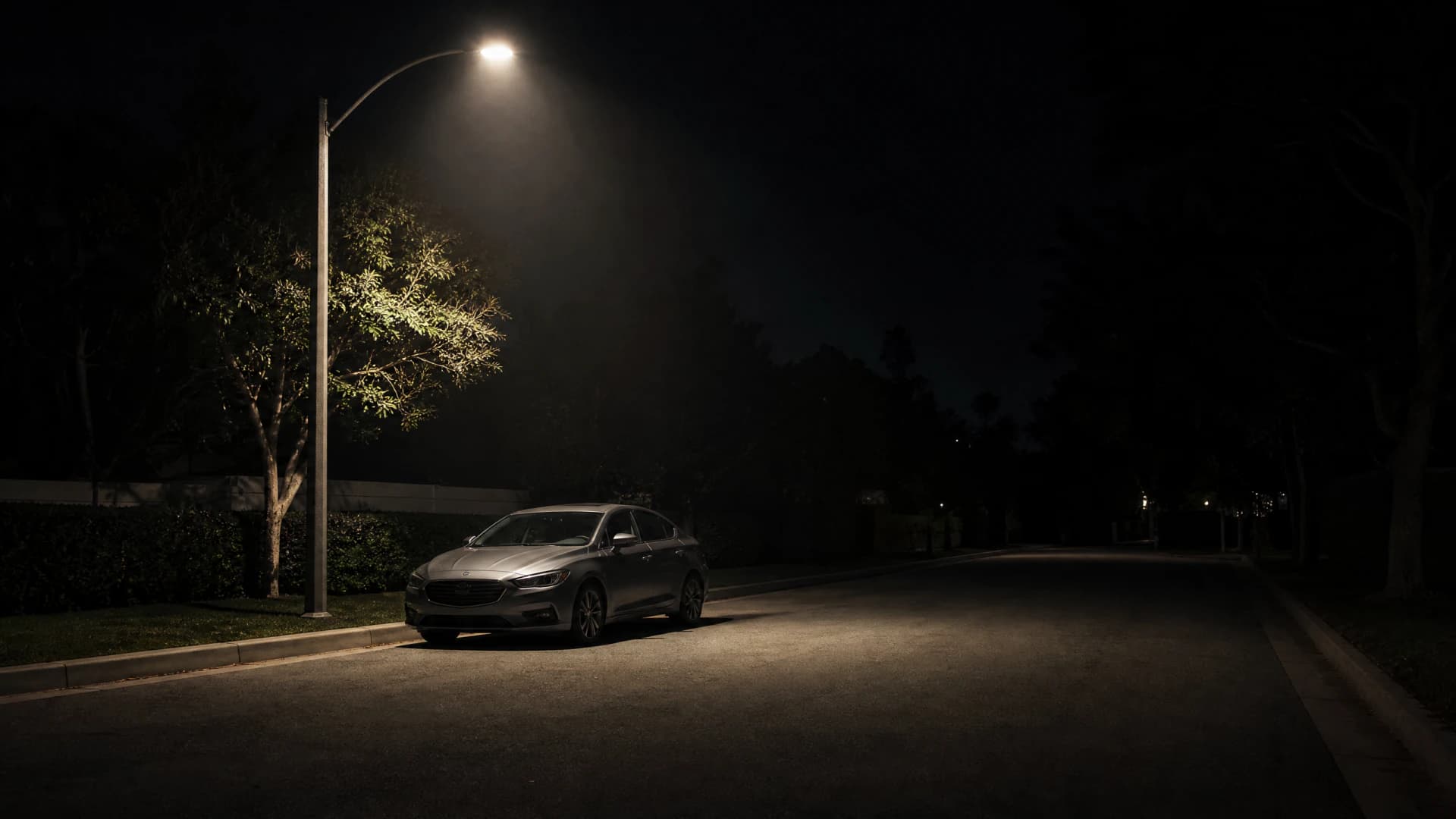
The hardship license does not shorten your suspension. It lets you drive during the 365 days for work and medical needs only, and you must carry insurance the entire time.
Related Articles




What Happens at the End of the 365 Days
When the 365-day suspension period ends, your license is not automatically reinstated. You must apply for reinstatement through the Kentucky Transportation Cabinet. The reinstatement process requires you to pay a $40 reinstatement fee, provide proof of current insurance, and pass a vision test if your license has been expired for more than one year. If you held a hardship license during the suspension, you still pay the $40 fee to convert back to a standard license.
Kentucky requires you to carry at least $25,000 in bodily injury coverage per person, $50,000 per accident, $25,000 in property damage coverage, and personal injury protection. These are the state minimum liability limits. You must show proof of this coverage when you apply for reinstatement. If you do not have insurance at reinstatement, the Transportation Cabinet will not restore your license.
Driving without insurance after reinstatement triggers a new 365-day suspension. Kentucky tracks insurance coverage electronically through the Kentucky Vehicle Information System. If your insurer cancels your policy or you let it lapse, the system flags your registration and the Transportation Cabinet can suspend your license again without a new traffic stop. Maintaining continuous coverage after reinstatement is not optional.
$40
Kentucky Reinstatement Fee
You pay this fee to the Kentucky Transportation Cabinet when you apply to reinstate your license after the 365-day suspension ends.
Kentucky Transportation Cabinet
Insurance Requirements During and After Suspension
If you apply for a hardship license, you must buy insurance before the circuit court clerk will process your application. The policy must meet Kentucky's minimum liability limits: $25,000 per person for bodily injury, $50,000 per accident, $25,000 for property damage, and personal injury protection. You cannot drive on a hardship license without active coverage. The Transportation Cabinet verifies your insurance electronically, and a lapse revokes the hardship privilege immediately.
After reinstatement, you must maintain continuous coverage. Kentucky law requires every registered vehicle to carry insurance. If you own multiple vehicles, each must be insured or you must surrender the registration for any car you do not insure. The state does not allow you to register a vehicle without proof of insurance, and letting a policy lapse after registration triggers an automatic suspension notice. Households with two or more vehicles can insure all cars on one policy to meet the multi-vehicle requirement and often qualify for a multi-car discount, but the discount structure varies by carrier and is not guaranteed.
Compare Carriers That Write Kentucky Policies
Not every carrier writes policies for drivers reinstating after a suspension. Seventeen carriers write standard and non-standard auto insurance in Kentucky, including Geico, Progressive, State Farm, Farmers, National General, Dairyland, and Bristol West. Some carriers specialize in non-standard policies for drivers with violations or suspensions. Rates vary widely based on your driving history, the suspension on your record, and whether you need to insure multiple vehicles.
When you compare carriers, confirm that the policy meets Kentucky's minimum liability limits and that the carrier will issue coverage immediately. Some carriers require a down payment or proof of financial responsibility before binding the policy. If you are applying for a hardship license, you need the insurance in place before you submit your application to the circuit court clerk. If you are reinstating after the full suspension, you need proof of coverage to submit with your reinstatement application. Use the site's comparison tool to see which carriers write policies in your county and request quotes from at least three.
How to Apply for a Hardship License in Kentucky
First, petition the circuit court in your county for a hardship order. The court that issued the original suspension order is the same court that can grant hardship driving privileges. You will need to demonstrate that losing your license creates a genuine hardship: you cannot get to work, you cannot access medical care, or you cannot fulfill a court-ordered obligation. The court evaluates your petition and, if approved, issues an order granting limited driving privileges. This step happens before you apply for the physical hardship license.
Second, take the court's hardship order to the circuit court clerk driver-licensing office in your county. Bring your identification, the license-withdrawal notice from the Transportation Cabinet, and proof of current insurance. The clerk processes your application and forwards it to the Kentucky Transportation Cabinet, which issues the hardship license. You must maintain continuous insurance coverage from the moment the hardship license is issued. If your policy lapses, the hardship license is revoked and you face a new suspension.
Get Your Free Quote
Get My Kentucky Car Insurance QuoteFrequently Asked Questions
Can I shorten the 365-day suspension by paying a fine?
No. Kentucky's 365-day suspension for driving without insurance is set by statute and cannot be reduced by paying a fine, completing a course, or filing any certificate. The suspension period is fixed. You can apply for a hardship license to drive during the suspension for work or medical needs, but the suspension itself lasts the full 365 days.
Do I need SR-22 insurance after a Kentucky uninsured driving suspension?
No. Kentucky does not use SR-22 certificates. The state enforces mandatory insurance through direct electronic verification and registration revocation. You must carry proof of insurance that meets Kentucky's minimum liability limits, but no insurer-filed certificate is required.
How much does it cost to reinstate my license after the suspension ends?
Reinstatement costs $40. You pay this fee to the Kentucky Transportation Cabinet when you apply to restore your license after the 365-day suspension period ends. You must also provide proof of current insurance and pass a vision test if your license has been expired for more than one year.
Can I drive to work during the suspension?
Yes, if you obtain a hardship license. The circuit court in your county can grant a hardship order allowing you to drive for work, medical appointments, court obligations, and education during the 365-day suspension. The hardship license does not allow recreational driving.
What happens if my insurance lapses while I have a hardship license?
Your hardship license is revoked immediately. Kentucky verifies insurance coverage electronically, and a lapse triggers an automatic revocation. You will face a new suspension and cannot drive legally until you reinstate your license, which requires paying the $40 reinstatement fee and providing proof of new insurance.
Do I need insurance for every vehicle I own in Kentucky?
Yes. Kentucky requires every registered vehicle to carry insurance that meets the state's minimum liability limits. If you own multiple vehicles, you must insure each one or surrender the registration for any car you do not insure. You can insure all vehicles on one policy to meet the requirement.