
Ticket Rate Increases — Kentucky
Free to compare
When Your Premium Changes After a Kentucky Ticket
Your carrier received notice of the conviction from Kentucky's Division of Driver Licensing. The premium increase doesn't happen the day the ticket posts to your record—it happens at your next renewal, when the carrier re-rates your entire policy based on the updated driving history of every driver listed. If you're insuring two or more vehicles on one policy, that re-rating applies to the whole household, not just the car the ticketed driver uses most often.
The size of the increase depends on three factors: the violation type and point value Kentucky assigns, the tier your carrier placed you in before the ticket, and how many drivers and vehicles sit on the policy. A speeding ticket that adds three points to one driver's record can shift the entire policy into a higher-risk tier, raising the premium for every vehicle you insure.
“A violation raises the base premium first, then the multi-car discount applies to the higher amount—you're discounting a larger number.”

Check Your Rate Against Other Kentucky Drivers
Get My Kentucky Car Insurance Quote14.1%
Kentucky Uninsured Motorist Rate
One in seven Kentucky drivers operates without insurance. Carriers price uninsured-motorist coverage and collision risk based partly on this exposure, and a ticket on your record moves you closer to the rate tier that reflects higher claim probability.
NAIC 2023
How Kentucky's Point System Drives Carrier Re-Rating
Kentucky assigns points to moving violations: three points for speeding 15 mph or less over the limit, six points for speeding 16–25 over, reckless driving carries six points, and running a red light or stop sign adds three. The state uses these points to determine license suspension thresholds—12 points in two years triggers a suspension—but carriers use the same point assignments to calculate risk and set premiums.
Your carrier doesn't wait for you to accumulate 12 points. A single three-point violation moves you into a higher-risk pricing tier at renewal. If you're insuring three cars and two drivers, the entire policy re-rates based on the combined driving records of everyone listed. The violation that one driver received affects the premium for every vehicle on the policy, even if the other driver has a clean record.
Carriers writing in Kentucky—State Farm, Geico, Progressive, Allstate, Farmers, and others—each use proprietary algorithms to translate points into premium adjustments. The increase isn't uniform across carriers. A household with multiple vehicles may see a smaller total increase by moving to a carrier that prices multi-car policies more favorably after a violation, but comparison requires quoting the entire household, not just the affected driver.

The blocker: your carrier re-rates the entire multi-car policy at renewal when one driver's record changes, and you can't isolate the ticketed driver onto a separate policy to contain the increase without losing the multi-car discount on the remaining vehicles.






How Multiple Vehicles Amplify the Rate Impact
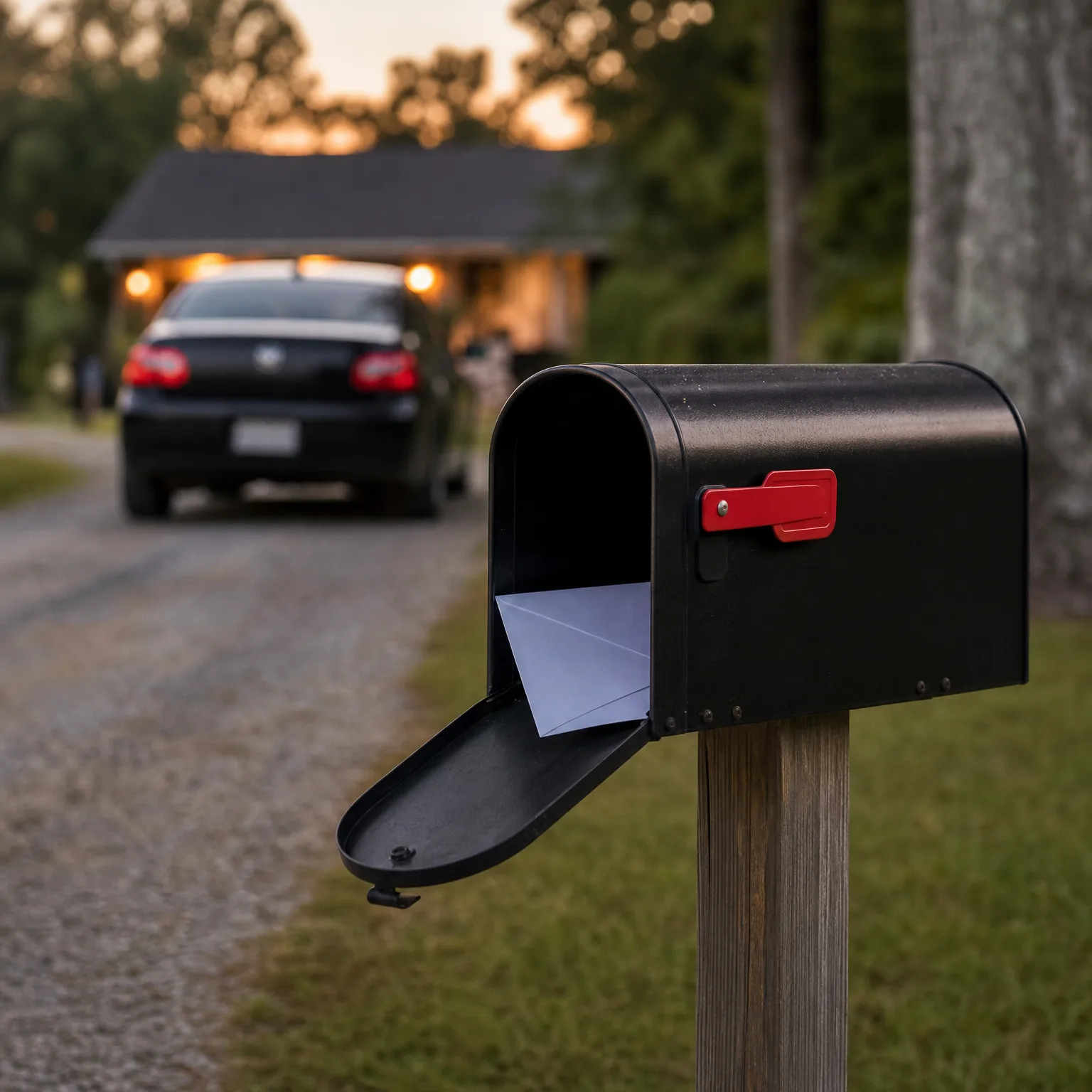
A single-car policy re-rates based on one driver's record and one vehicle's risk profile. A multi-car policy re-rates based on every driver's combined record and every vehicle's combined profile. When one driver on a three-car policy receives a ticket, the carrier recalculates the risk score for the entire household. The premium for all three cars rises, even if the ticketed driver primarily operates only one of them.
Carriers apply the multi-car discount after calculating the base premium for each vehicle. A violation raises the base premium first, then the discount applies to the higher amount. The net effect: you keep the multi-car discount, but you're discounting a larger number.
Some households consider splitting the ticketed driver onto a separate policy to isolate the increase. This approach eliminates the multi-car discount on the remaining vehicles, and in most cases the combined cost of two separate policies exceeds the cost of one re-rated multi-car policy. The math works only in narrow scenarios—typically when the ticketed driver is young, has multiple violations, and the remaining household drivers are older with clean records. Compare both structures before making the change.
$25,000 / $50,000 / $25,000
Kentucky Minimum Liability Limits
Kentucky requires $25,000 per person, $50,000 per accident for bodily injury, and $25,000 for property damage. Dropping to state minimums after a ticket lowers your premium but leaves you exposed if you cause an accident that exceeds these caps. Multi-car households often carry higher limits to protect household assets.
Kentucky Transportation Cabinet

Comparing Carriers After a Ticket
Not every carrier prices violations the same way. State Farm, Geico, Progressive, Allstate, and Farmers all write multi-car policies in Kentucky, and each uses a different formula to convert your ticket into a premium adjustment. A carrier that offered the lowest rate before the ticket may not offer the lowest rate after. The only way to know is to quote the entire household—all drivers, all vehicles, current coverage levels—with at least three carriers.
When comparing quotes, verify that each carrier is pricing the same coverage structure: the same liability limits, the same deductibles, the same optional coverages. A lower quote that drops uninsured-motorist coverage or raises your collision deductible from $500 to $1,000 isn't a true comparison. Request quotes that match your current policy structure, then decide separately whether to adjust coverage.
Next Steps for Kentucky Households Insuring Multiple Cars
Start by reviewing your renewal notice to confirm the violation that triggered the increase and the new premium for each vehicle. If the notice doesn't itemize per-vehicle costs, call your carrier and request a breakdown. This tells you whether the increase is distributed evenly or concentrated on the vehicle the ticketed driver uses most.
Next, request quotes from at least two other carriers writing multi-car policies in Kentucky. Provide each carrier with the same household details: every driver's name, date of birth, and license number; every vehicle's year, make, model, and VIN; and your current coverage levels. Compare the total annual premium for the entire household, not just the monthly cost for one car. Factor in any multi-car discount each carrier offers and verify that the discount applies to every vehicle on the policy, not just the first two.
What Happens at Renewal After a Kentucky Ticket
Kentucky law requires carriers to provide minimum liability coverage of $25,000 per person, $50,000 per accident for bodily injury, $25,000 for property damage, and personal injury protection. Your carrier must continue offering these minimums regardless of your driving record, but the premium for that coverage rises when your risk tier changes. If you're carrying collision and comprehensive on multiple vehicles, those coverages re-rate as well, compounding the total increase.
You have three options at renewal: accept the higher premium and keep the current policy structure, reduce coverage on one or more vehicles to lower the total cost, or compare quotes from other carriers writing multi-car policies in Kentucky. Moving carriers doesn't erase the ticket from your record—every carrier sees the same conviction data—but different carriers weight violations differently, and some offer better multi-car discounts that partially offset the violation surcharge.
Get Your Free Quote
Get My Kentucky Car Insurance QuoteFrequently Asked Questions
Does a speeding ticket in Kentucky raise insurance for every car on my policy?
Yes. Kentucky carriers re-rate the entire multi-car policy at renewal when one driver receives a ticket. The violation affects the premium for every vehicle, even if the ticketed driver primarily operates only one car. The increase applies to the household's combined risk profile, not individual vehicles.
How long does a Kentucky ticket affect my car insurance rate?
Most Kentucky carriers surcharge a violation for three to five years from the conviction date. The ticket remains on your Kentucky driving record, but the premium impact diminishes over time if you avoid additional violations. After the surcharge period ends, your rate returns to the tier that reflects your current record.
Can I remove one driver from my multi-car policy to lower the rate after a ticket?
You can remove a driver only if they no longer live in your household or no longer have regular access to your vehicles. Kentucky carriers require you to list every household member with a license. Removing a driver who still lives with you violates the policy terms and can result in claim denial.
Will switching carriers in Kentucky erase the ticket surcharge?
No. Every carrier writing in Kentucky sees the same conviction record from the state's Division of Driver Licensing. Switching carriers doesn't remove the ticket from your record, but different carriers weight violations differently. Some offer better multi-car discounts that partially offset the surcharge.
Does Kentucky require SR-22 filing after a ticket?
No. Kentucky does not use SR-22 or any insurer-filed certificate. The state enforces mandatory insurance through direct verification and registration revocation. A standard moving violation does not trigger any filing requirement—only proof that you carry the state's minimum liability coverage.
How much does a three-point speeding ticket raise insurance in Kentucky?
The increase depends on your carrier, your current tier, and how many vehicles and drivers sit on your policy. Kentucky assigns three points for speeding 15 mph or less over the limit. Carriers use this to recalculate your risk tier at renewal, and the entire multi-car policy re-rates based on the updated record.