
Uninsured Motorist Coverage — Kentucky
Free to compare
When the Other Driver Has No Insurance
You're rear-ended at a stoplight. The other driver apologizes, admits fault, then tells you they don't have insurance. Your car is damaged, you're injured, and you're about to discover whether your own policy covers you when the at-fault driver can't pay. In Kentucky, that coverage is called uninsured motorist coverage, and unlike liability insurance, the state doesn't require you to carry it.
Kentucky law mandates liability minimums of $25,000 per person and $50,000 per accident for bodily injury, plus $25,000 for property damage. Those limits protect others when you cause a crash. Uninsured motorist coverage works the opposite direction: it protects you and your passengers when someone without insurance injures you. Whether you have it depends on choices you made when you bought your policy, not on what the state requires.
“One in seven Kentucky drivers operates without insurance — your UM coverage becomes the only payment source when they injure you.”

Check Your Rate Against Other Kentucky Drivers
Get My Kentucky Car Insurance Quote14.1%
Kentucky Uninsured Drivers
One in seven Kentucky drivers operates without insurance. When an uninsured driver causes a crash, your uninsured motorist coverage becomes the only source of payment for your injuries and, in some policies, your vehicle damage.
Insurance Information Institute, 2023
What Uninsured Motorist Coverage Actually Pays
Uninsured motorist bodily injury coverage pays medical bills, lost wages, and pain and suffering when an uninsured driver injures you or your passengers. The coverage applies per person and per accident, mirroring the structure of liability limits.
Uninsured motorist property damage coverage pays to repair or replace your vehicle when an uninsured driver damages it. Kentucky allows insurers to offer UMPD as a separate optional coverage. Not every carrier sells it, and not every policy includes it automatically. When UMPD is absent, collision coverage becomes the fallback that pays for vehicle damage after a crash with an uninsured driver, subject to your deductible.
The coverage also applies when a hit-and-run driver flees the scene and you cannot identify them. Kentucky treats an unidentifiable driver the same as an uninsured one for UM purposes. Your own UM coverage steps in as if the phantom driver had no insurance at all.
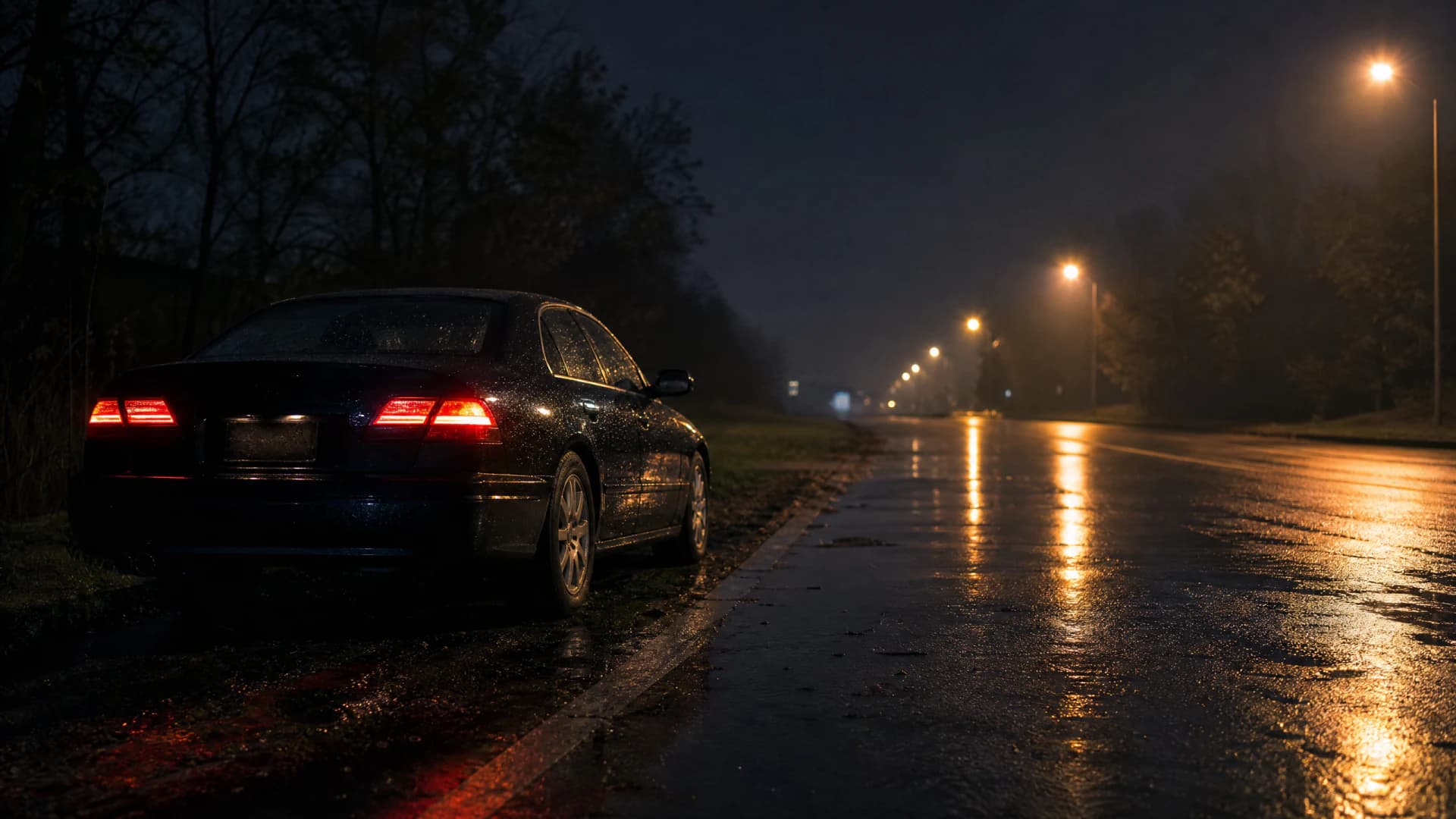
Kentucky doesn't require UM coverage. If you declined it when you bought your policy, you have no protection when an uninsured driver injures you.
Related Articles


When UM Coverage Doesn't Apply
Uninsured motorist coverage does not pay when you cause the crash. UM applies only when another driver is at fault and that driver has no insurance or insufficient insurance to cover your injuries. If you're responsible for the collision, your own liability coverage pays the other party, and your collision coverage pays for your vehicle damage. UM sits idle.
The coverage also doesn't pay when the at-fault driver carries insurance that meets or exceeds Kentucky's minimum liability limits, unless you purchased underinsured motorist coverage as a companion product. Underinsured motorist coverage picks up where the at-fault driver's liability policy stops, paying the difference between their limit and your UM limit when their coverage falls short. Kentucky treats UM and UIM as separate optional coverages; buying one does not automatically include the other.
UM bodily injury coverage does not pay for vehicle damage unless your policy includes the separate UMPD endorsement. When UMPD is absent and you have no collision coverage, you're left pursuing the uninsured driver directly in small claims court, a process that rarely recovers meaningful payment from someone who couldn't afford insurance in the first place.
$25,000 / $50,000
Kentucky Liability Minimums
Kentucky requires $25,000 per person and $50,000 per accident in bodily injury liability, plus $25,000 property damage. UM coverage you purchase can match these minimums or exceed them, depending on how much protection you want when an uninsured driver injures you.
Kentucky Transportation Cabinet

Choosing UM Limits for a Multi-Vehicle Household
Households with multiple vehicles typically buy UM coverage at limits equal to or higher than their liability limits. Mismatched limits create a gap: high liability coverage paired with low UM coverage leaves you underprotected in the exact scenario UM exists to address.
When you add a second or third vehicle to your Kentucky policy, confirm whether the insurer applies UM coverage to the new car automatically or whether you must elect it separately. Some carriers mirror the UM limits from your first vehicle onto every additional car; others require you to select UM coverage vehicle by vehicle. A newly-added car without UM coverage creates a household-wide exposure if that car is involved in a crash with an uninsured driver and passengers are injured.
Compare Carriers That Write UM Coverage in Kentucky
Not every insurer structures UM coverage the same way. Some offer stacking by default, some prohibit it, and some make it available only if you request it explicitly at the time of purchase. Carriers writing auto insurance in Kentucky include State Farm, Geico, Progressive, Allstate, Farmers, Nationwide, Liberty Mutual, and USAA. Each structures UM differently, and each prices the coverage based on your household's vehicle count, your liability limits, and whether stacking applies. Compare how each carrier handles UM across multiple vehicles before you buy. The declarations page shows your UM limits per vehicle; the policy contract shows whether those limits stack. If the contract language is unclear, ask your agent or the carrier directly whether UM coverage stacks in a multi-vehicle claim. The answer determines how much protection your household actually has when an uninsured driver injures multiple passengers riding in one of your cars.
How UM Coverage Works Across Multiple Vehicles
Kentucky allows UM coverage to stack when multiple vehicles on the same policy each carry their own UM limits. Stacking multiplies your protection but also increases your premium, because you're buying separate UM coverage on each vehicle rather than a single shared limit.
Not every Kentucky insurer offers stacking, and some policies explicitly prohibit it through anti-stacking language in the contract. When anti-stacking language is present, the injured person can access only the UM limit on the vehicle they occupied at the time of the crash, even if the household policy covers multiple cars. Read your declarations page and policy contract to confirm whether your UM coverage stacks or whether each vehicle's limit stands alone.
Get Your Free Quote
Get My Kentucky Car Insurance QuoteFrequently Asked Questions
Does Kentucky require uninsured motorist coverage?
No. Kentucky does not mandate uninsured motorist coverage. Insurers must offer it when you buy a policy, but you can decline it. If you declined UM coverage, you have no protection when an uninsured driver injures you.
What does uninsured motorist coverage pay for in Kentucky?
Uninsured motorist bodily injury coverage pays medical bills, lost wages, and pain and suffering when an uninsured driver injures you or your passengers. Uninsured motorist property damage coverage, sold separately, pays to repair your vehicle when an uninsured driver damages it.
Does UM coverage stack across multiple vehicles in Kentucky?
Kentucky allows UM stacking when each vehicle on your policy carries its own UM limit, but not every insurer offers it. Some policies include anti-stacking language that limits you to the UM coverage on the vehicle you occupied at the time of the crash. Check your policy contract to confirm whether your UM limits stack.
What happens if an uninsured driver hits my parked car in Kentucky?
Uninsured motorist property damage coverage pays to repair your vehicle if your policy includes the UMPD endorsement. If you don't have UMPD, collision coverage pays for the damage minus your deductible. Without either coverage, you must pursue the uninsured driver directly.
Can I add UM coverage to an existing Kentucky policy?
Yes. Contact your insurer to add uninsured motorist coverage mid-term. The coverage applies to claims that occur after the effective date of the endorsement. Adding UM increases your premium, but the cost is typically lower than the financial exposure you face when 14.1% of Kentucky drivers operate uninsured.
Does UM coverage apply when a hit-and-run driver flees in Kentucky?
Yes. Kentucky treats an unidentifiable hit-and-run driver the same as an uninsured driver for UM purposes. Your uninsured motorist coverage pays for injuries and, if you have UMPD, vehicle damage, even when you cannot identify the driver who fled.