
Kentucky Requires PIP on Every Vehicle You Insure
Kentucky mandates Personal Injury Protection coverage on every vehicle registered in the state. If you insure two cars, both carry PIP. If you add a third vehicle mid-term, that vehicle must carry PIP from the moment it joins your policy. The requirement is per-vehicle, not per-policy, which matters when you structure coverage across multiple cars.
Most drivers comparing Kentucky to liability-only states assume PIP is optional or applies once per household. It does not. The state treats PIP as a foundational coverage layer — every vehicle you own must carry it to meet registration and proof-of-insurance requirements. This article clarifies what Kentucky law actually requires, how PIP applies when you add vehicles, and what happens if you try to drop it.
Compare car insurance rates in your state
Get quotes from licensed carriers — no obligation, no spam, results in minutes.
Get Your Free QuoteKentucky PIP Minimum Per Vehicle
Kentucky Transportation Cabinet, mandatory insurance requirements
PIP Covers Medical Expenses Regardless of Fault
Personal Injury Protection pays medical expenses, lost wages, and funeral costs for you and your passengers after an accident, regardless of who caused it. Kentucky structures PIP as first-party coverage — your own policy pays your medical bills before liability determinations are made.
PIP operates independently of the state's liability minimums. Kentucky requires $25,000 per person and $50,000 per accident in bodily injury liability, plus $25,000 in property damage liability. Those coverages pay the other driver's costs when you cause an accident. PIP pays your own costs when you are injured, whether you caused the accident or not. Both coverage types are mandatory — you cannot substitute one for the other.
The per-vehicle requirement means adding a second car to your policy adds a second PIP obligation. Carriers do not prorate PIP across vehicles or apply a single PIP limit to multiple cars. Each vehicle on your policy carries its own PIP coverage.
Kentucky does not allow PIP waivers or opt-outs.
How PIP Applies When You Add a Vehicle
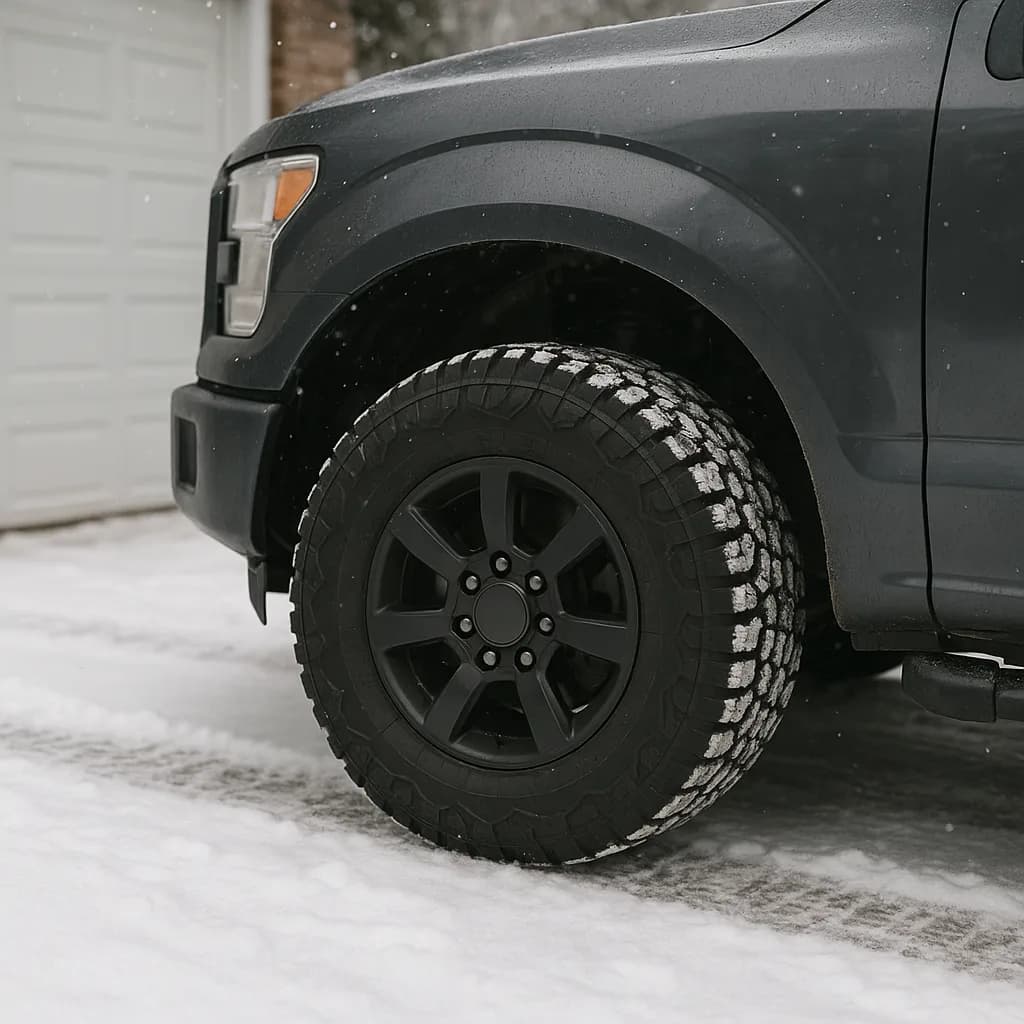
When you buy a second or third car and add it to your existing policy, the carrier applies Kentucky's mandatory PIP requirement to the new vehicle automatically. Most carriers provide a grace period — typically 14 to 30 days — during which a newly-purchased vehicle is covered under your existing policy limits. That grace period includes PIP. If you do not formally add the vehicle within the grace window, coverage lapses, and the vehicle is uninsured.
The new vehicle's PIP coverage does not reduce or share the PIP limit on your existing vehicles. The per-vehicle structure means your total PIP obligation grows with each car you add. Carriers re-rate your policy when you add a vehicle, and the PIP component is part of that re-rating — you cannot add a car without adding its PIP cost.
Related Articles




What Happens If You Drop PIP
Kentucky law does not permit dropping PIP while a vehicle remains registered and insured. If you request PIP removal, the carrier will decline — state regulations require PIP on every active policy covering a Kentucky-registered vehicle. Attempting to drop PIP by switching to an out-of-state policy or a carrier that does not write Kentucky coverage results in loss of valid proof of insurance.
Operating a vehicle without valid proof of insurance in Kentucky triggers registration revocation and a $40 reinstatement fee. The state's mandatory insurance enforcement system cross-references vehicle registrations with active insurance policies. When a policy lapses or PIP is removed, the Kentucky Transportation Cabinet receives notification and revokes the vehicle's registration. You cannot re-register the vehicle until you provide proof of a compliant policy that includes PIP.
The only way to avoid PIP cost is to stop insuring the vehicle — either by selling it, transferring the title out of state, or surrendering the registration. As long as the vehicle is registered in Kentucky and insured on your policy, it must carry PIP.
Kentucky Uninsured Motorist Rate
14.1%
Approximately 14.1% of Kentucky motorists drive without insurance. PIP ensures your medical expenses are covered even when an uninsured driver causes the accident, because PIP pays regardless of fault.
Insurance Research Council, 2023
PIP and the Multi-Car Household
Households insuring multiple vehicles in Kentucky face a cumulative PIP obligation. The per-vehicle structure affects how you compare carriers and structure your policy. Some carriers offer better multi-car discounts that offset the per-vehicle PIP cost; others do not. The PIP requirement itself is non-negotiable, but the total policy cost varies by carrier.
When you compare quotes for a multi-car policy, every quote will include PIP on every vehicle. The difference between carriers is not whether PIP is included — it always is — but how the carrier prices the combination of PIP, liability, and any optional coverages you add. Households with three or more vehicles benefit from comparing carriers that write multi-car policies with strong household discounts, because the PIP cost compounds across vehicles.
Compare Carriers That Write Multi-Vehicle Kentucky Policies
Kentucky's per-vehicle PIP requirement makes carrier comparison essential for multi-car households. The state's mandatory PIP and liability minimums are the same across all carriers, but the way carriers price those coverages — and the discounts they apply to multi-vehicle policies — varies significantly. Add optional coverages — collision, comprehensive, uninsured motorist — only after you understand the mandatory-coverage cost across your vehicles.