
Why Car Insurance Is So Expensive in Kentucky
Free to compare
The Multi-Vehicle Premium Reality in Kentucky
You added a second or third vehicle to your Kentucky policy and the premium jumped more than you expected. The increase wasn't a simple flat amount per car — the carrier re-rated every vehicle on the policy, and the new total reflects Kentucky's mandatory Personal Injury Protection requirement layered on top of the state's $25,000 per person, $50,000 per accident, $25,000 property damage liability minimums. Multi-vehicle households hit this structural reality harder because PIP applies per vehicle, not per policy.
Kentucky's 14.1% uninsured motorist rate — one of the highest in the region — drives carriers to price coverage more aggressively. When you're insuring multiple cars, that uninsured exposure multiplies across every vehicle on the road at the same time. The state does not mandate uninsured motorist coverage, but carriers build the risk into base rates regardless. You're paying for the likelihood that one of your household's vehicles will encounter a driver without insurance, and that likelihood scales with the number of cars you operate.
“Adding a vehicle mid-term re-rates your entire policy based on the household's total exposure, not just the new car's risk.”

Check Your Rate Against Other Kentucky Drivers
Get My Kentucky Car Insurance Quote14.1%
Kentucky Uninsured Motorist Rate
Nearly one in seven drivers on Kentucky roads carries no insurance. That uninsured exposure drives up premiums for insured households, especially those operating multiple vehicles simultaneously.
Insurance Research Council, 2023
What Kentucky Actually Requires Per Vehicle
Kentucky law mandates $25,000 bodily injury liability per person, $50,000 per accident, and $25,000 property damage liability. On top of those liability minimums, the state requires Personal Injury Protection coverage on every vehicle. PIP pays medical expenses and lost wages for you and your passengers regardless of fault, and it applies per vehicle — not per policy. When you add a second car, you're adding a second PIP obligation.
The state does not require uninsured motorist coverage, but many carriers include it automatically or price policies assuming you'll carry it. With 14.1% of Kentucky drivers uninsured, declining UM coverage leaves you exposed to out-of-pocket costs if an uninsured driver hits one of your vehicles. Multi-vehicle households face that exposure across every car in the garage, and carriers price the risk accordingly.
Kentucky enforces mandatory insurance through direct verification and registration revocation. The state does not use SR-22 or any insurer-filed certificate. If your registration is revoked for lack of insurance, reinstatement costs $40, and operating uninsured carries fines and potential jail time. The enforcement mechanism is blunt: no insurance, no registration.
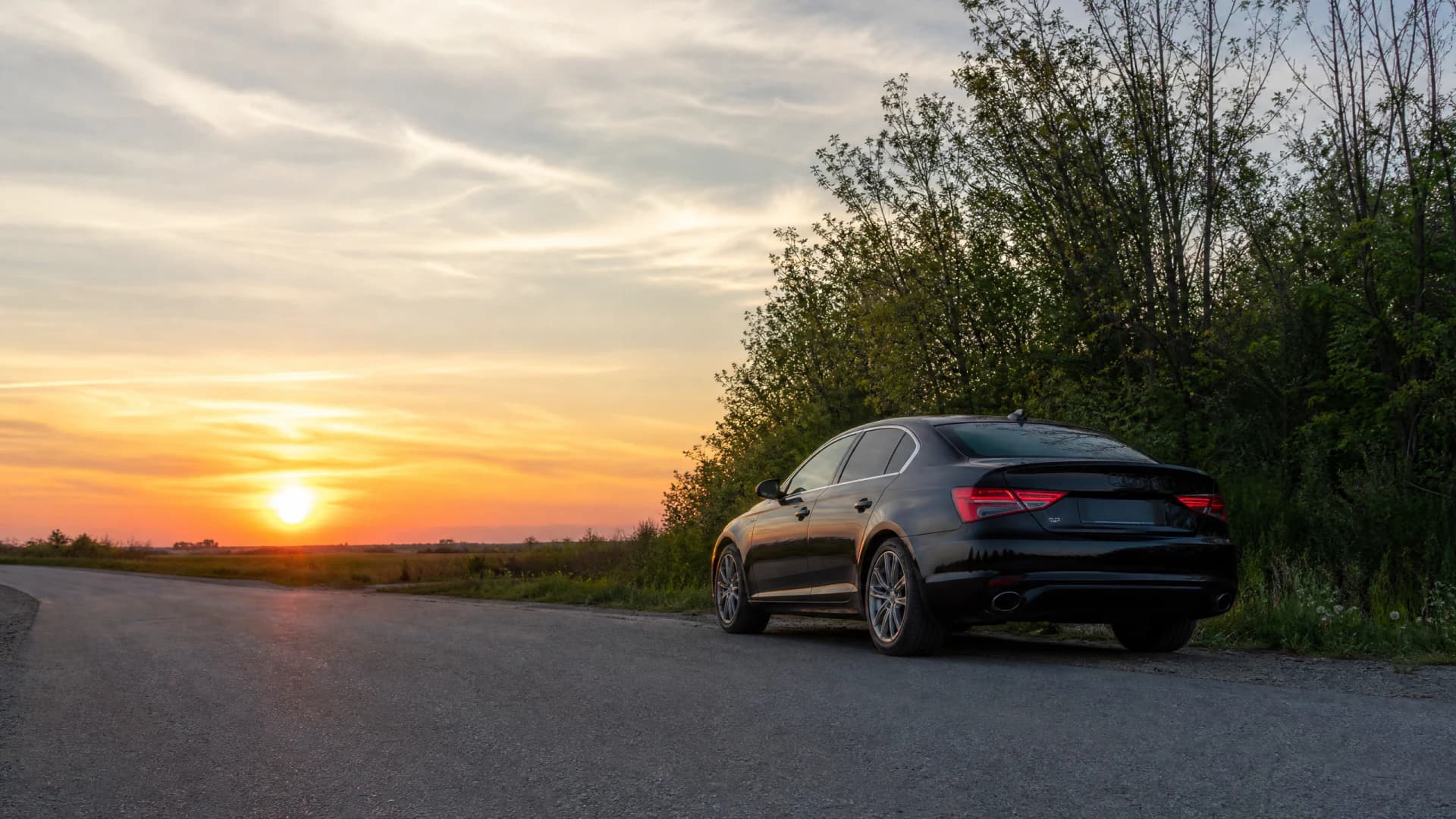
Adding a vehicle mid-term re-rates your entire policy, not just the new car. Every vehicle's premium recalculates based on the household's total exposure.




Why the Uninsured Motorist Rate Matters to Your Premium
Kentucky's 14.1% uninsured motorist rate is not an abstract statistic — it is a direct cost driver. When one in seven drivers carries no insurance, the probability that your household's vehicles will encounter an uninsured driver scales with the number of cars you operate. A household with three vehicles on the road simultaneously faces three times the exposure of a single-car household.
Carriers price this risk into base rates even when you decline uninsured motorist coverage. The state's enforcement mechanism — registration revocation and fines — does not prevent uninsured drivers from operating vehicles; it only penalizes them after the fact. The financial risk of an uninsured collision falls on insured drivers, and carriers adjust premiums to reflect that reality.
If you carry uninsured motorist coverage, the premium reflects both the high likelihood of a claim and the cost of covering medical expenses and vehicle damage out of the carrier's pocket. If you decline UM coverage, the base rate still reflects the carrier's expectation that a significant portion of claims will involve uninsured drivers, forcing the carrier to pursue subrogation or write off the loss.
$25,000 / $50,000 / $25,000
Kentucky Minimum Liability Limits
These minimums cover bodily injury per person, per accident, and property damage. PIP is mandatory on top of these limits, and many multi-vehicle households carry higher liability limits to cover the gap between state minimums and actual collision costs.
Kentucky Transportation Cabinet

When Adding a Vehicle Costs More Than Expected
You bought a second car and expected the premium to increase by a predictable amount. Instead, the carrier re-rated the entire policy, and the new total reflects a recalculated base rate for every vehicle. This happens because carriers price multi-vehicle policies based on household exposure, not per-vehicle flat rates. The multi-car discount applies, but it is a percentage reduction on a higher recalculated base.
If the new vehicle is financed, the lender requires comprehensive and collision coverage. That requirement applies only to the financed vehicle, but it changes the household's overall coverage profile. Carriers often recalculate the premium for older vehicles on the policy when you add a financed car, even if those older vehicles carry only liability coverage. The household's total insured value increases, and the carrier reprices the risk.
Compare Carriers That Write Multi-Vehicle Policies in Kentucky
Kentucky's mandatory PIP requirement and high uninsured motorist rate create cost pressure that varies significantly by carrier. Compare Kentucky car insurance carriers that write multi-vehicle policies and structure coverage to meet the state's liability and PIP requirements without overpaying for exposure you do not need. Carriers price the multi-car discount differently, and some offer better rates for households with multiple vehicles than others. Get quotes from at least three carriers that write in Kentucky, confirm that each quote includes the mandatory PIP coverage, and verify that the multi-car discount applies to every vehicle on the policy. The carrier that offers the lowest rate for a single vehicle may not offer the best rate for a household with three cars.
How Carriers Price Multi-Vehicle Policies in Kentucky
When you add a second or third vehicle, the carrier recalculates premiums for every car on the policy. The multi-car discount applies — typically a percentage reduction per vehicle when all cars sit on the same policy — but that discount is applied to a recalculated base rate that reflects the household's increased exposure. If the new vehicle is higher-risk (newer, financed, or driven by a younger household member), the recalculated base can outweigh the discount.
Kentucky's mandatory PIP requirement compounds this effect. PIP applies per vehicle, so adding a car adds a discrete PIP obligation. If the household includes multiple drivers, carriers also recalculate based on driver assignment — which driver is primarily assigned to which vehicle, and what each driver's record looks like. A household with three cars and two drivers pays differently than a household with three cars and three drivers, even if the vehicles are identical.
Get Your Free Quote
Get My Kentucky Car Insurance QuoteFrequently Asked Questions
Why does adding a second car to my Kentucky policy cost more than I expected?
Kentucky requires Personal Injury Protection coverage on every vehicle, and adding a car triggers a full policy re-rate rather than a simple flat addition. The carrier recalculates premiums for every vehicle based on the household's total exposure, and the multi-car discount applies to that recalculated base. If the new vehicle is financed or driven by a higher-risk household member, the recalculated base can outweigh the discount.
Does Kentucky require uninsured motorist coverage on multi-vehicle policies?
No. Kentucky does not mandate uninsured motorist coverage, but with 14.1% of drivers uninsured, many carriers include it automatically or price policies assuming you will carry it. Declining UM coverage leaves you exposed to out-of-pocket costs if an uninsured driver hits one of your vehicles, and that exposure multiplies across every car in your household.
What is Kentucky's mandatory PIP requirement and how does it affect multi-car premiums?
Kentucky requires Personal Injury Protection coverage on every vehicle. PIP pays medical expenses and lost wages regardless of fault, and it applies per vehicle, not per policy. When you add a second or third car, you add a discrete PIP obligation for each vehicle, which increases the total premium more than liability coverage alone would.
How does Kentucky's 14.1% uninsured motorist rate affect my premium?
One in seven Kentucky drivers operates without insurance. Carriers price the risk of encountering an uninsured driver into base rates, and that risk scales with the number of vehicles your household operates simultaneously. A household with three cars faces three times the exposure of a single-car household, and carriers adjust premiums to reflect that reality.
Do I get a multi-car discount in Kentucky if all my vehicles are on one policy?
Yes. Most carriers offer a multi-car discount when all household vehicles sit on the same policy. The discount is typically a percentage reduction per vehicle, but it applies to a recalculated base rate that reflects the household's total exposure. The discount reduces the premium, but it does not eliminate the cost increase from adding a vehicle.
What happens if I add a financed vehicle to my Kentucky multi-car policy?
The lender requires comprehensive and collision coverage on the financed vehicle. That requirement changes the household's overall coverage profile, and carriers often recalculate premiums for every vehicle on the policy — even older cars that carry only liability coverage. The household's total insured value increases, and the carrier reprices the risk accordingly.