
Multi-Car Insurance — Kentucky
Free to compare
When Adding a Second Car Changes Your Policy Structure
You just bought a second vehicle and called your carrier to add it to your existing Kentucky auto policy. The representative quoted a new premium that's higher than you expected, and you're trying to understand whether the multi-car discount applied, whether you should have started a separate policy instead, or whether combining everything onto one policy is the right move. This confusion is structural: the multi-car discount exists, but it only works when specific policy-structure conditions are met, and those conditions are not always obvious when you're adding a car mid-term.
When you own multiple vehicles, each one must meet those minimums independently. The multi-car discount reduces your combined premium when you insure every vehicle on one policy, but the discount mechanism, the same-policy requirement, and how adding a vehicle re-rates your existing coverage are three separate structural realities that interact in ways most drivers don't anticipate until the bill arrives.
“The multi-car discount is a policy-level product, not a household-level one — a car on a different policy does not count.”

Check Your Rate Against Other Kentucky Drivers
Get My Kentucky Car Insurance Quote$25,000/$50,000/$25,000
Kentucky Minimum Liability Per Vehicle
Every car registered in Kentucky must carry at least $25,000 bodily injury per person, $50,000 per accident, and $25,000 property damage. These minimums apply to each vehicle on your policy independently.
Kentucky Transportation Cabinet
The Multi-Car Discount Requires Every Vehicle on One Policy
The multi-car discount is not automatic when you own multiple cars. It applies only when every vehicle you own sits on the same auto insurance policy, issued to the same named insured, and typically garaged at the same address. If one car is titled to you and another is titled to your spouse on a separate policy, the discount does not apply to either policy. If a household member owns a car and carries their own policy, that vehicle does not count toward your multi-car discount even if they live at your address.
This same-policy requirement creates friction when households assume that simply owning multiple cars qualifies them for the discount. The structural reality: the discount is a policy-level product, not a household-level one. Carriers calculate it by counting the vehicles listed on a single policy declaration page. A car on a different policy, even if it's garaged in your driveway and driven by someone in your household, does not trigger the discount on your policy.
When you add a second vehicle to an existing Kentucky policy, the carrier re-rates the entire policy. Your premium does not simply increase by the cost of insuring the new car. Instead, the carrier recalculates coverage for both vehicles together, applies the multi-car discount to the combined premium, and issues a new rate. Depending on the vehicle you're adding, your driving record, and the coverage levels you select, the combined premium after the discount may still be higher than your original single-car rate plus a flat per-vehicle amount. The discount reduces the combined total, but it does not guarantee the increase will be small.

A vehicle titled to someone outside your policy does not count toward the multi-car discount, even if it's garaged at your address and driven by a household member.






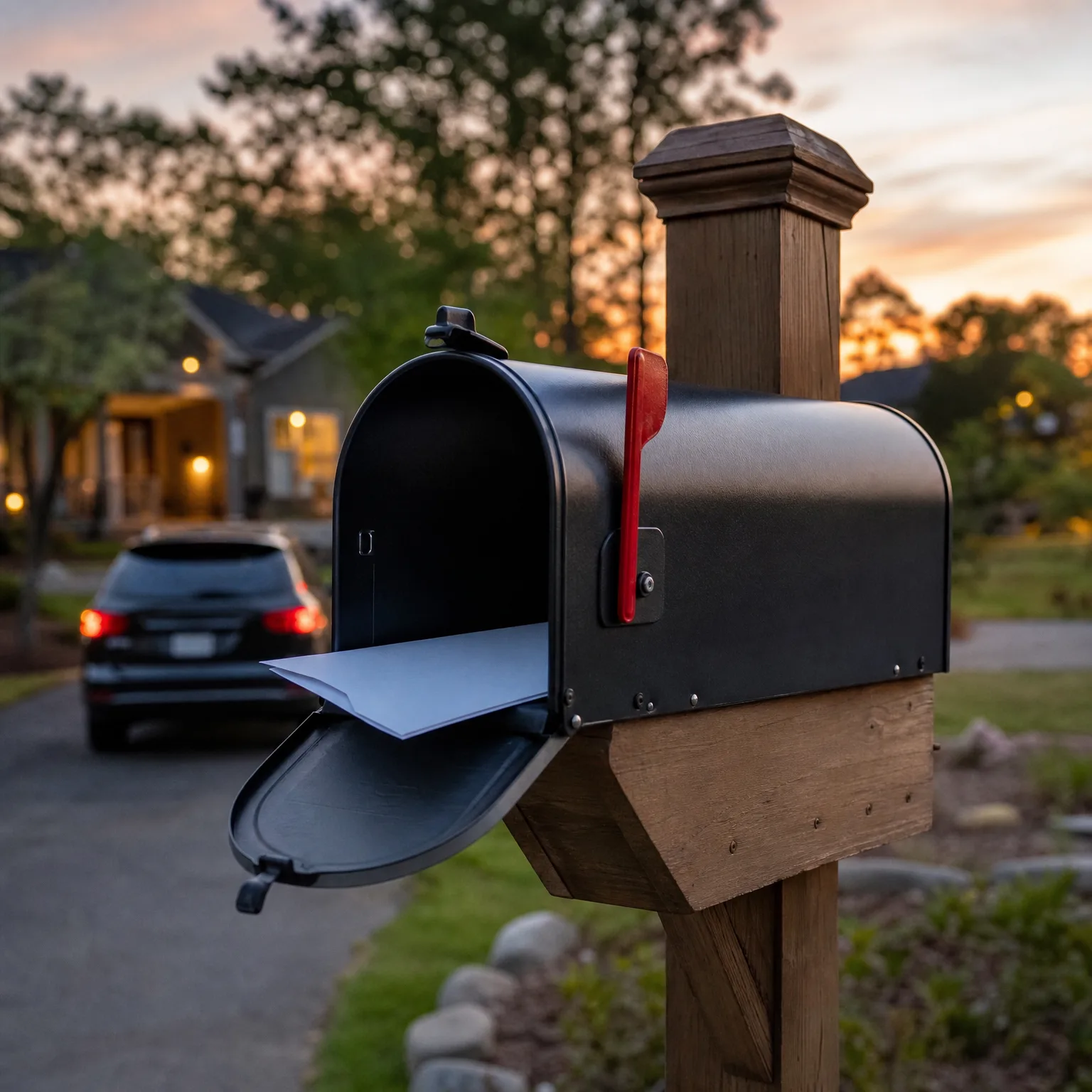
Adding a Vehicle Mid-Term Re-Rates Your Entire Policy
When you add a car to your Kentucky policy mid-term, the carrier does not simply append the new vehicle's cost to your existing premium. Instead, it recalculates coverage for every vehicle on the policy, applies the multi-car discount to the new total, and issues an updated rate effective the date you add the car. This re-rating can produce a premium increase that feels disproportionate to the cost of insuring one additional vehicle, especially if the new car is more expensive to insure than your existing vehicle or if your driving record has changed since your last renewal.
Most Kentucky carriers provide a grace period during which a newly purchased vehicle is automatically covered under your existing policy, typically 14 to 30 days depending on the carrier. During this window, the new car is covered at the same liability and coverage levels as your existing vehicles, but you must report the addition to your carrier before the grace period ends. If you miss the window, the new vehicle may not be covered at the time of a claim, even if you own it and it's garaged at your address.
The re-rating also affects your renewal. When your policy renews, the carrier will calculate the annual premium for all vehicles together, including any mid-term additions. If you added a car six months into your term, the renewal premium will reflect a full year of coverage for that vehicle at the re-rated multi-car discount level. This can produce a renewal increase that looks large compared to your original annual premium, even though the increase reflects coverage you've already been paying for mid-term.
14.1%
Kentucky Uninsured Motorist Rate
Approximately 14.1% of Kentucky drivers operate without insurance. When you insure multiple vehicles, uninsured motorist coverage protects every car on your policy if you're hit by an uninsured driver. The coverage is optional in Kentucky but recommended for multi-car households.
Insurance Research Council, 2023

When Separate Policies Make Sense for Multiple Cars
The multi-car discount does not always produce the lowest combined premium. In some situations, keeping vehicles on separate policies costs less than combining them, particularly when one driver has a significantly worse record than another, when one vehicle requires coverage the other does not, or when household members qualify for different carrier discounts that do not stack on a combined policy.
If one household member has a DUI conviction, multiple at-fault accidents, or a suspended license, adding their vehicle to your policy will re-rate your coverage based on their record. Depending on the severity of the violations and how your carrier underwrites multi-driver policies, the premium increase from the high-risk driver may exceed the savings from the multi-car discount. In these cases, keeping the high-risk driver on a separate non-standard policy and your own vehicles on a preferred-tier policy can produce a lower combined household cost, even without the discount.
Compare Carriers That Write Multi-Car Policies in Kentucky
Not every carrier calculates the multi-car discount the same way. Some apply a percentage reduction to the combined premium; others reduce the per-vehicle base rate when multiple cars are listed. The size of the discount, the number of vehicles required to qualify, and whether the discount increases when you add a third or fourth car all vary by carrier. State Farm, Geico, Progressive, Farmers, Allstate, and Nationwide all write multi-car policies in Kentucky and offer online quoting tools that let you model premiums for your specific household before committing.
When comparing carriers, request quotes that include every vehicle you plan to insure on the same policy, along with the coverage levels you need for each car. A quote for one vehicle will not accurately reflect the multi-car discount or the re-rated premium you'll pay when you add the second car. Carriers also differ in how they handle mid-term additions: some allow you to add a vehicle online and see the updated premium immediately, while others require a phone call and manual underwriting before issuing the new rate. Knowing the carrier's process before you buy a new car can save time when the grace period is running.
How Combining Two Policies Works in Kentucky
When you combine two policies, one policy is canceled and all vehicles transfer to the remaining policy. The carrier re-rates every vehicle on the combined policy as if you were buying coverage for all of them at once. This re-rating can surface premium differences you didn't see when the cars were on separate policies: one driver's record may increase the rate for every vehicle, or one car's high replacement cost may push the combined premium higher than the sum of the two original policies. The multi-car discount applies to the combined total, but it does not always offset the re-rating impact.
Timing matters. If you combine policies mid-term, the carrier will prorate the canceled policy and issue a new effective date for the combined policy. Any unearned premium from the canceled policy typically transfers as a credit, but you may owe an additional payment if the combined policy's first-term premium exceeds the credit. Combining at renewal avoids mid-term adjustments and gives you a clearer view of the annual cost before committing. Kentucky carriers writing multi-car policies include State Farm, Geico, Progressive, Farmers, and Allstate, all of which offer online quoting tools that let you model combined-policy premiums before making the switch.
Get Your Free Quote
Get My Kentucky Car Insurance QuoteFrequently Asked Questions
Does the multi-car discount apply if my spouse has a separate policy?
No. The multi-car discount applies only when every vehicle sits on the same policy under the same named insured. If your spouse carries a separate policy for their car, neither policy qualifies for the multi-car discount, even if you live at the same address. Combining both vehicles onto one policy triggers the discount.
How long do I have to add a newly purchased car to my Kentucky policy?
Most Kentucky carriers provide a 14- to 30-day grace period during which a newly purchased vehicle is automatically covered under your existing policy. You must report the addition before the grace period ends. If you miss the window, the new car may not be covered at claim time.
Will adding a second car to my policy increase my premium by the cost of insuring that car?
No. When you add a second car, the carrier re-rates your entire policy, recalculating coverage for both vehicles together and applying the multi-car discount to the combined total. The increase reflects the re-rated premium for both cars, not just the cost of the new vehicle.
Can I insure three cars on one Kentucky policy?
Yes. Kentucky carriers allow you to insure multiple vehicles on one policy, and the multi-car discount typically increases when you add a third or fourth car.
Is it cheaper to combine two policies or keep them separate?
Combining policies usually lowers your combined premium because the multi-car discount applies to the total. However, if one driver has a significantly worse record than the other, keeping that driver on a separate policy may cost less overall. Compare quotes for both scenarios before deciding.
What happens to my premium when I remove a car from my multi-car policy?
When you remove a car, the carrier re-rates the remaining vehicles and recalculates the multi-car discount based on the new vehicle count. Your premium decreases, but the per-vehicle rate may increase if the discount tier changes. If you drop to one vehicle, the multi-car discount disappears entirely.