
Cheap Car Insurance in Kentucky — Multi-Vehicle Households
Free to compare
You Own Two Cars and Your Premium Just Jumped
You bought a second vehicle, added it to your Kentucky auto policy, and watched your premium climb more than you expected. You assumed the multi-car discount would offset most of the cost. Instead, the bill went up by nearly the full cost of insuring the second car, and you're wondering whether you missed something or whether the discount even applied.
The structural reality: Kentucky's multi-car discount exists, but it requires every vehicle to sit on the same policy, often garaged at the same address, and the discount percentage varies widely by carrier. A household that splits vehicles across two policies—one for you, one for your spouse—loses the discount entirely. And because Kentucky's mandatory minimums are low, adding a second vehicle re-rates your entire policy, not just the new car.
“A smaller discount on a lower base rate can produce a lower total premium than a larger discount on a higher one.”

Check Your Rate Against Other Kentucky Drivers
Get My Kentucky Car Insurance Quote$25,000 / $50,000 / $25,000
Kentucky Minimum Liability Limits
Kentucky requires $25,000 bodily injury per person, $50,000 per accident, and $25,000 property damage. Personal injury protection is mandatory. These minimums are among the lowest in the region, and a multi-vehicle household hitting those limits in a serious crash faces substantial out-of-pocket exposure.
Kentucky Transportation Cabinet
The Multi-Car Discount Requires Same-Policy Placement
The multi-car discount applies only when every vehicle in your household sits on one auto insurance policy. If you and your spouse each maintain separate policies—even with the same carrier—the discount does not apply. The carrier treats them as two single-car policies, not one multi-vehicle policy.
Most carriers also require the vehicles to share a garaging address. If one car is garaged at your home and another at a second property, some carriers will not extend the discount. The policy structure matters more than the number of cars you own.
Kentucky does not mandate the multi-car discount. Carriers offer it voluntarily, and the percentage varies. One carrier may discount 10 percent for two vehicles; another may discount 20 percent but charge a higher base rate. A smaller discount on a lower base rate can produce a lower total premium than a larger discount on a higher one.
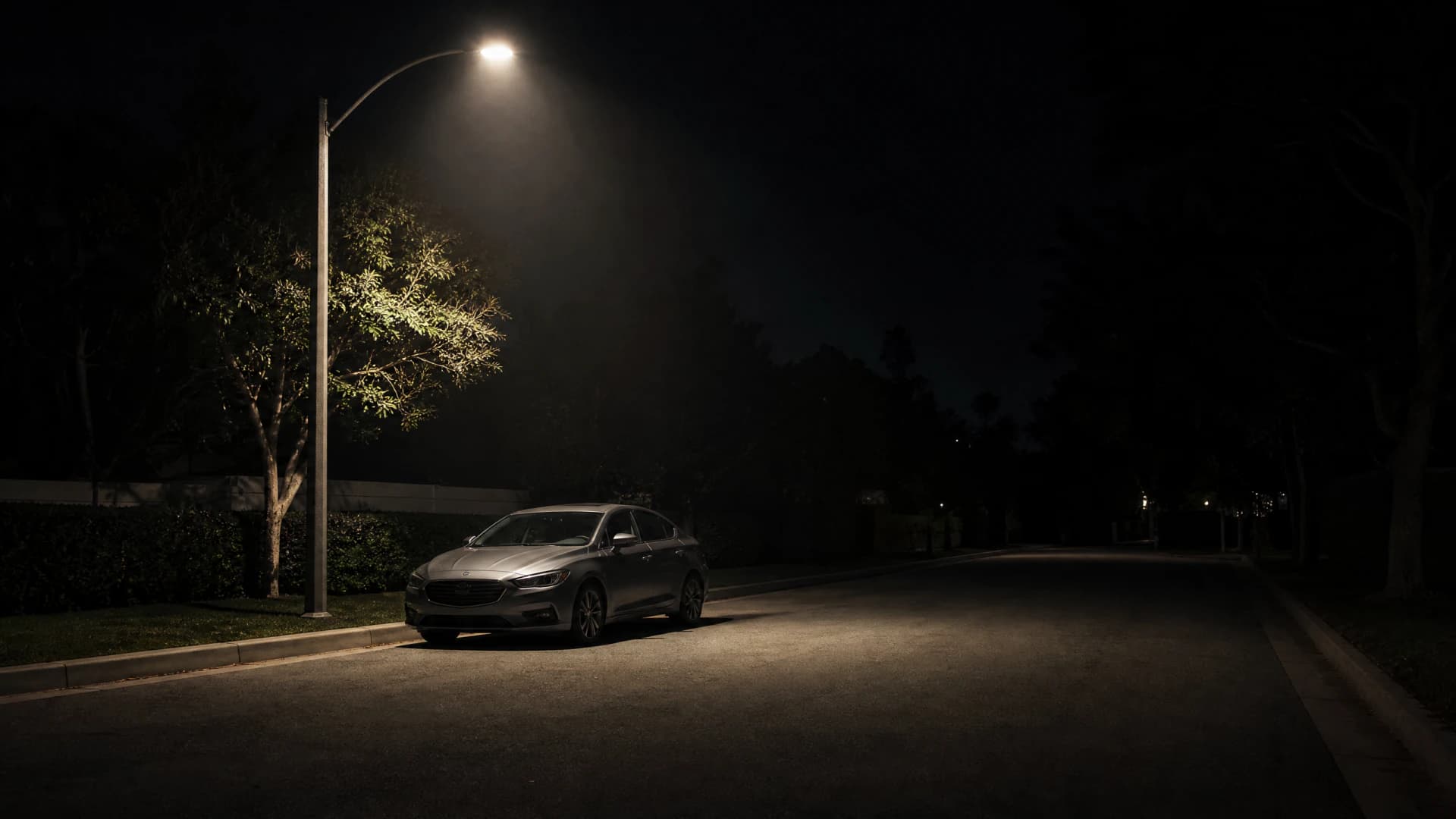
Combining two single-car policies into one multi-vehicle policy does not always lower your total premium. The base rate, coverage levels, and each driver's record determine whether consolidation saves money.




Splitting Policies Versus Combining Them
Some Kentucky households maintain separate policies for each vehicle, either because they inherited that structure or because they assumed it offered flexibility. Splitting policies eliminates the multi-car discount, but it can make sense in specific situations: when one driver has a significantly worse record than the other, when one vehicle is a classic or collector car requiring specialty coverage, or when one car is garaged at a different address.
Combining policies into one multi-vehicle policy usually lowers the total premium, but not always. If one driver's record is poor enough to trigger high-risk pricing, adding their vehicle to a shared policy can raise the premium for both cars. In that case, keeping the high-risk driver on a separate non-standard policy and the clean-record driver on a preferred-tier policy may cost less overall.
Carriers writing Kentucky include 19 companies with varying appetites for multi-vehicle households. State Farm, Geico, Progressive, and Farmers all write multi-car policies in Kentucky and offer online quotes. Bristol West, Dairyland, and National General write non-standard multi-car policies for households with violations. Comparing carriers on a same-policy basis shows which base rate and discount combination produces the lowest total premium for your specific household.
19 carriers
Carriers Writing Kentucky Auto
Nineteen carriers write auto insurance in Kentucky, including preferred-tier, standard-tier, and non-standard-tier companies. Multi-vehicle households have access to carriers that specialize in clean-record drivers, carriers that write after violations, and carriers that offer online quotes without broker involvement.
Kentucky Department of Insurance licensure records

Coverage Levels Matter More Than Discount Percentages
Kentucky's $25,000/$50,000/$25,000 minimums leave most multi-vehicle households underinsured. A two-car crash involving serious injuries can exceed $50,000 in medical costs alone, and property damage to two newer vehicles can exceed $25,000. Households carrying only the state minimums face substantial out-of-pocket exposure in a multi-vehicle accident.
The multi-car discount applies to the higher limits, which means the incremental cost of better coverage is smaller on a multi-vehicle policy than on a single-car policy. Households focused only on finding the cheapest premium often lock in minimums that do not cover a realistic claim.
Compare Carriers on Total Premium, Not Discount Alone
The multi-car discount percentage is not the decision point. A carrier advertising a 25 percent multi-car discount may still charge more than a carrier offering 15 percent, because the base rate differs. Kentucky households comparing multi-vehicle policies should request quotes from at least three carriers, specifying the same coverage levels and deductibles for each vehicle, and compare the total annual premium.
Kentucky's mandatory coverage requirements include personal injury protection, which adds to the base cost. Uninsured motorist coverage is optional but recommended: 14.1 percent of Kentucky drivers are uninsured, one of the higher rates in the region. Adding uninsured motorist coverage to a multi-vehicle policy costs less per vehicle than adding it to separate single-car policies, because the multi-car discount applies to the UM premium as well.
How Adding a Vehicle Re-Rates Your Policy
The carrier evaluates every vehicle on the policy together. If the new vehicle is newer, more expensive, or classified as higher risk, the entire policy's base rate may increase. The multi-car discount then applies to that higher base, which means your net premium can still climb significantly even with the discount in place.
Kentucky's mandatory personal injury protection adds to the re-rating effect. PIP coverage applies per vehicle, so adding a second car adds a second PIP premium. The multi-car discount typically does not apply to PIP, only to liability and physical damage coverages. Households adding multiple vehicles see PIP costs stack without offset.
Get Your Free Quote
Get My Kentucky Car Insurance QuoteFrequently Asked Questions
Does the multi-car discount apply if my spouse and I have separate policies?
No. The multi-car discount applies only when every vehicle sits on one policy. Two separate policies—even with the same carrier—are treated as single-car policies, and the discount does not apply. Combining them into one policy unlocks the discount.
How much does adding a second car to my Kentucky policy cost?
Adding a second car re-rates your entire policy, not just the new vehicle. The cost depends on the new car's value, your driving record, and the coverage levels you choose. The multi-car discount offsets part of the increase, but the net premium typically rises by more than half the cost of insuring the second car alone.
Can I get the multi-car discount if one car is garaged at a different address?
Most carriers require all vehicles on a multi-car policy to share a garaging address. If one car is garaged elsewhere, some carriers will not extend the discount. Check with your carrier before adding a vehicle garaged at a second location.
Is it cheaper to insure two cars on one policy or two separate policies?
One policy is usually cheaper because the multi-car discount applies. However, if one driver has a poor record, keeping that driver on a separate non-standard policy and the clean-record driver on a preferred policy may cost less overall. Compare both structures with actual quotes.
Does Kentucky require uninsured motorist coverage on a multi-car policy?
No. Kentucky does not mandate uninsured motorist coverage, but 14.1 percent of Kentucky drivers are uninsured. Adding UM coverage to a multi-car policy costs less per vehicle than adding it to separate policies, because the multi-car discount applies to the UM premium.
Which Kentucky carriers offer the best multi-car discounts?
State Farm, Geico, Progressive, and Farmers all write multi-car policies in Kentucky and offer online quotes. The discount percentage varies, but the total premium depends on the base rate, not just the discount. Request quotes from at least three carriers to compare total cost.