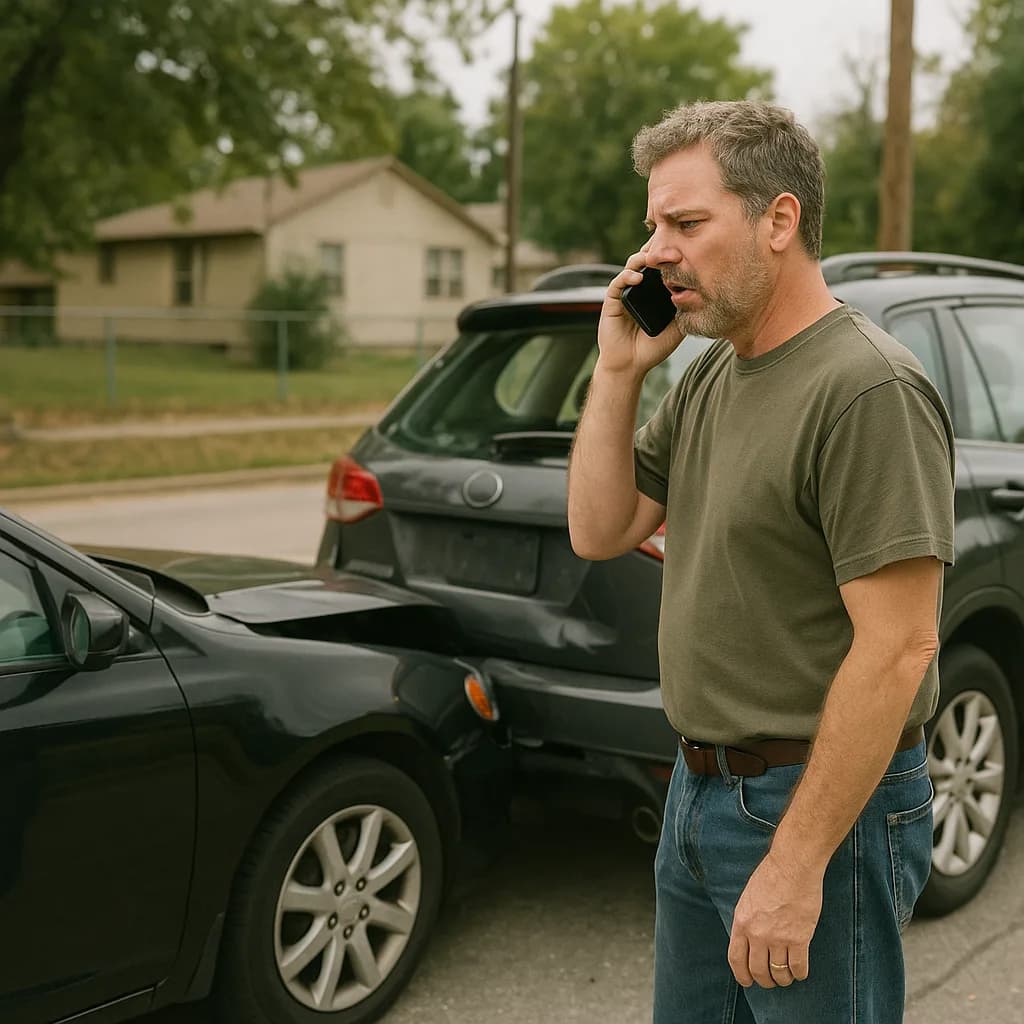
The Multi-Vehicle Coverage Mismatch
You own three cars: a 2022 sedan you drive daily, a 2015 SUV your spouse uses for work, and a 2008 pickup you keep for hauling. Your carrier quoted full coverage on all three, and the premium is higher than you expected. You're wondering whether you actually need collision and comprehensive on every vehicle, or whether Kentucky's minimum liability limits are enough for some of them.
The structural reality most households miss: coverage needs vary by vehicle value, use frequency, and financing status. Kentucky law requires the same minimum liability limits on every car you own, but collision and comprehensive are optional. The decision isn't whether to meet state minimums — you must — but how much optional coverage each car actually needs.
Compare car insurance rates in your state
Get quotes from licensed carriers — no obligation, no spam, results in minutes.
Get Your Free QuoteKentucky Minimum Liability
$25,000 / $50,000 / $25,000
Kentucky requires $25,000 bodily injury per person, $50,000 bodily injury per accident, and $25,000 property damage on every registered vehicle. Personal injury protection is also mandatory. These minimums apply to every car on your policy.
Kentucky Transportation Cabinet
What Kentucky Actually Requires on Every Vehicle
Kentucky mandates liability coverage and personal injury protection on every registered vehicle. The liability minimums are $25,000 per person for bodily injury, $50,000 per accident for bodily injury, and $25,000 for property damage. PIP covers your own medical expenses and lost wages regardless of fault. These requirements apply to every car you own, whether it's a daily driver or a rarely-used truck.
Collision and comprehensive are not required by Kentucky law. Collision pays to repair your own vehicle after an accident with another car or object. Comprehensive covers theft, vandalism, weather damage, and animal strikes. If you financed or leased a vehicle, your lender requires both until the loan is paid off. Once you own the car outright, the decision is yours.
The coverage mismatch happens when households assume every vehicle needs the same level of protection. Structuring coverage vehicle-by-vehicle rather than policy-wide can cut hundreds of dollars per year from a multi-car premium.
Most households overpay by carrying collision and comprehensive on older vehicles whose value no longer justifies the premium.
How to Match Coverage to Each Vehicle
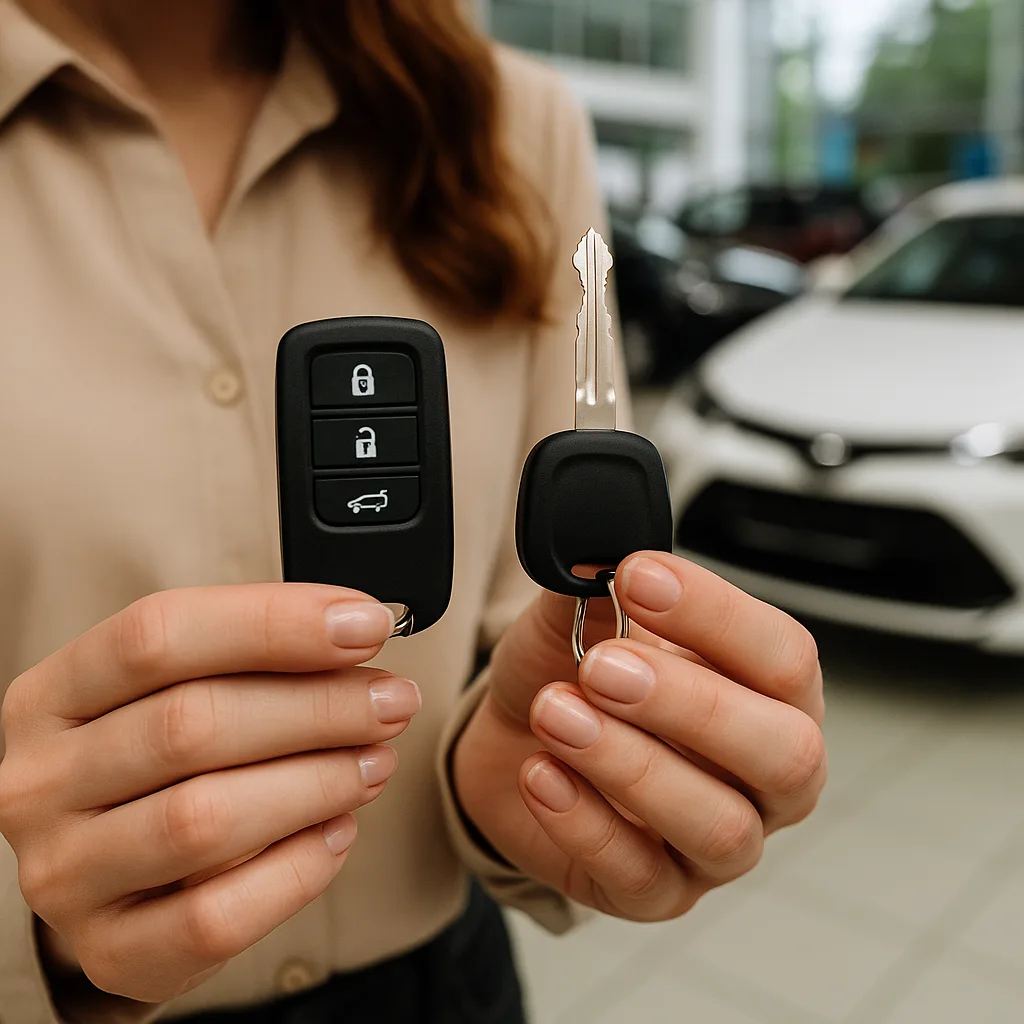
Start with market value. Look up each vehicle's actual cash value using a valuation tool or recent sale prices for similar models in your area. Subtract your collision deductible — typically $500 or $1,000. If the result is less than two years of collision premium, drop collision. Most drivers come out ahead by dropping coverage and banking the premium savings.
Financing overrides the value calculation. If you owe money on the vehicle, your lender requires collision and comprehensive until the loan is paid off. Once you own the car outright, re-evaluate. Comprehensive is cheaper than collision and covers risks like theft and hail damage, so some households keep comprehensive on older vehicles but drop collision. This is especially common in Kentucky, where hail and deer strikes are frequent risks.
Related Articles




The Liability Floor Applies to Every Car
Kentucky's minimum liability limits apply to every vehicle on your policy, but many households need higher limits than the state requires. The $25,000 per-person bodily injury minimum is low. A serious accident can easily produce medical bills exceeding that amount, and you're personally liable for the difference. If you own a home, have savings, or earn a steady income, higher liability limits protect those assets.
The additional protection is worth more than the premium difference for most households. Collision and comprehensive are optional and vary by vehicle. Liability is mandatory and should be high enough to cover a worst-case scenario on any car you own.
Some carriers write higher liability limits but refuse to quote collision on vehicles older than a certain age or below a certain value. This is not a Kentucky law — it's a carrier underwriting rule. If your current carrier won't write the coverage structure you want, compare others. Kentucky has 19 carriers writing standard and non-standard auto insurance, and their rules for older vehicles vary widely.
Kentucky Uninsured Motorist Rate
14.1%
One in seven Kentucky drivers operates without insurance. Uninsured motorist coverage is optional in Kentucky, but it protects you when an at-fault driver cannot pay for the damage they caused. Consider adding it to every vehicle on your policy.
Insurance Information Institute, 2023
When Full Coverage Makes Sense and When It Doesn't
Full coverage — liability, collision, comprehensive, and uninsured motorist — makes sense on financed vehicles, newer vehicles with high replacement cost, and vehicles you cannot afford to replace out of pocket. It rarely makes sense on older vehicles whose value has dropped below the break-even threshold described above. The term "full coverage" is shorthand, not a legal requirement. Kentucky law requires liability and PIP. Everything else is optional once the vehicle is paid off.
Households with multiple vehicles often structure coverage in tiers. The newest car carries full coverage with low deductibles. The mid-age vehicle carries liability, comprehensive, and uninsured motorist, but no collision. The oldest vehicle carries liability and PIP only. This structure matches premium to risk and avoids paying for coverage that would never pay out more than its own cost.
Compare Carriers That Write Your Coverage Structure
Not every carrier will write the mixed-coverage structure described above. Some require collision and comprehensive on every vehicle if you carry it on any vehicle. Others allow you to pick and choose by car. When you request quotes, specify exactly which coverages you want on which vehicles. Farmers, Geico, Progressive, and National General write multi-vehicle policies in Kentucky and allow per-vehicle coverage customization. State Farm and Allstate also write in Kentucky and typically accommodate mixed-coverage requests, though their underwriting rules vary by region.
The multi-car discount applies when every vehicle sits on the same policy, but the discount does not require identical coverage levels. You can carry full coverage on one car and liability-only on another and still receive the multi-vehicle discount. The discount typically reduces the per-vehicle premium by 10 to 25 percent compared to insuring each car on a separate policy, but the exact amount varies by carrier and is not published. Compare total premium across carriers rather than chasing a specific discount percentage.
Request quotes with your actual desired coverage structure rather than accepting the carrier's default recommendation. Many online quote tools default to full coverage on every vehicle because it's the most common selection, but that does not mean it's the right one for your household. Specify liability limits, deductibles, and which vehicles need collision. The quote you receive will reflect the structure you actually want, not the structure the system assumes you need.