
The Multi-Car Optional Coverage Decision
You carry two or three cars on one Kentucky policy. You've met the state's $25,000 per person, $50,000 per accident bodily injury, and $25,000 property damage minimums, plus the mandatory personal injury protection. Now your carrier is quoting collision, comprehensive, rental reimbursement, and gap coverage as add-ons. The question: which optional coverages make sense for which vehicles, and which are you paying for out of habit rather than need.
Most multi-car households apply the same optional-coverage stack to every vehicle. That approach works when every car is new, financed, and driven daily. It wastes money when one vehicle is paid off, another sits in the garage most weeks, and a third is worth less than the annual cost of insuring it for physical damage. This article walks the decision vehicle by vehicle, so you structure optional coverage around actual risk and value rather than around what the quote tool pre-selects.
Compare car insurance rates in your state
Get quotes from licensed carriers — no obligation, no spam, results in minutes.
Get Your Free QuoteKentucky Average Annual Auto Expenditure
$972.64
Kentucky drivers spent an average of $972.64 per insured vehicle in 2023, covering all mandatory and optional coverages combined. That figure includes liability, PIP, and any physical-damage or optional coverages the household chose to carry.
NAIC Auto Insurance Database Report 2023
What Kentucky Requires and What It Doesn't
Kentucky law mandates $25,000 bodily injury per person, $50,000 per accident, $25,000 property damage, and personal injury protection. Those four coverages are non-negotiable: every registered vehicle must carry them. Uninsured motorist coverage is not required in Kentucky, though carriers must offer it and you must reject it in writing if you choose not to buy it.
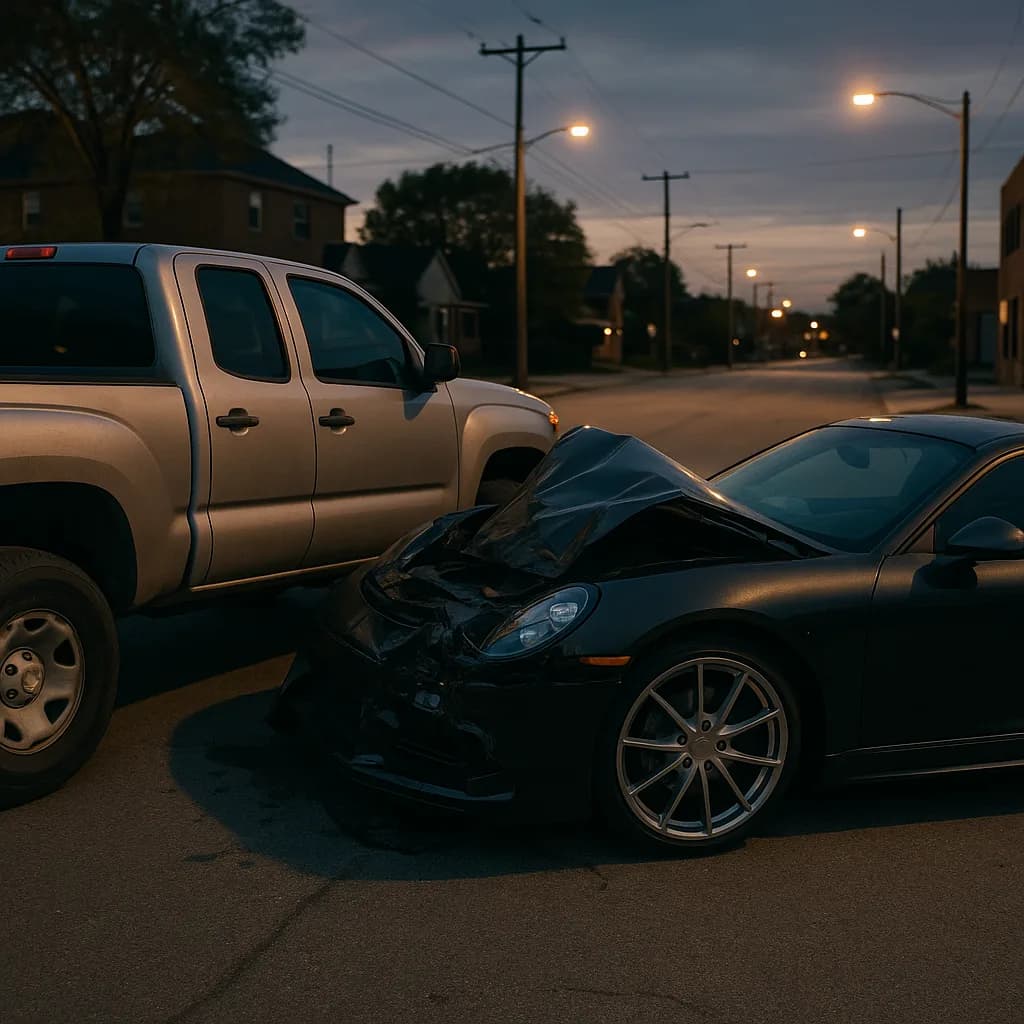
Everything else is optional. Collision pays for damage to your car when you hit another vehicle or object. Comprehensive pays for theft, vandalism, weather damage, and animal strikes. Rental reimbursement covers a rental car while yours is in the shop after a covered claim. Gap insurance pays the difference between your car's actual cash value and your remaining loan balance if the car is totaled. None of these coverages are required by Kentucky statute, and none are required by the Kentucky Transportation Cabinet to register or renew a vehicle.
Lenders and lessors impose their own requirements. If you finance or lease a vehicle, the contract almost always requires collision and comprehensive with a maximum deductible, often $500 or $1,000. Once you pay off the loan, that contractual requirement disappears and the decision becomes yours. That's the moment most multi-car households should reevaluate which optional coverages still make sense vehicle by vehicle.
Collision and Comprehensive: The Vehicle Value Test

The rule of thumb: if a vehicle's actual cash value is less than ten times the annual cost of collision and comprehensive combined, drop both coverages.
Apply this test vehicle by vehicle.
Related Articles




Rental Reimbursement and the Multi-Car Household
Rental reimbursement pays for a rental car while your vehicle is in the shop after a covered collision or comprehensive claim. It does not cover rentals for mechanical breakdowns, routine maintenance, or recalls.
Multi-car households have a built-in rental substitute: the other car. If one vehicle is in the shop for repairs and you have a second or third car sitting in the driveway, rental reimbursement duplicates protection you already own. The coverage makes sense on a single-car policy where losing the car means losing all household transportation.
The exception: households where every vehicle is in daily use and losing one car creates a genuine transportation gap. A household with three drivers, three cars, and three separate commutes cannot easily absorb the loss of one vehicle for a week. In that case, rental reimbursement on at least one or two of the vehicles is worth the cost. For households where one car sits idle most days or where schedules allow car-sharing during a repair window, drop the coverage and self-insure.
Kentucky Uninsured Motorist Rate
14.1%
Fourteen percent of Kentucky drivers operate without insurance, one of the higher uninsured-motorist rates in the region. That rate supports the case for optional uninsured and underinsured motorist coverage, which pays your medical bills and vehicle damage when the at-fault driver carries no insurance or insufficient limits.
Insurance Research Council, 2023
Gap Insurance and the Loan Balance Reality
Gap insurance pays the difference between your car's actual cash value at the time of a total loss and your remaining loan balance. It matters only when you owe more on the car than it's worth—a condition called being upside-down or underwater on the loan.
Most car buyers are upside-down for the first two to three years of a loan, especially if they financed the full purchase price with little or no down payment, rolled negative equity from a trade-in into the new loan, or chose a loan term longer than five years. After two to three years of payments, the loan balance typically falls below the car's depreciated value and gap coverage becomes unnecessary. Check your loan balance and your car's current value: if the loan balance is lower, drop gap coverage. If you're still upside-down, keep it until the balance crosses below the value.
For multi-car households, apply this test vehicle by vehicle. Your paid-off 2017 hatchback has no loan balance, so gap coverage is irrelevant.
Uninsured and Underinsured Motorist Coverage
Kentucky does not require uninsured motorist coverage, but 14.1% of drivers in the state operate without insurance. Uninsured motorist bodily injury pays your medical bills, lost wages, and pain-and-suffering damages when an at-fault driver has no insurance. Underinsured motorist coverage pays the same costs when the at-fault driver's liability limits are too low to cover your damages.
The case for carrying both: Kentucky's minimum liability limits are $25,000 per person and $50,000 per accident. A serious injury easily exceeds those limits. Without it, you're left pursuing the at-fault driver personally for the unpaid balance—a process that often recovers nothing.
Uninsured and underinsured motorist coverage protects every person in your household and every vehicle on your policy under a single combined limit. You're not buying it per vehicle; you're buying it per policy. A household with three cars pays one premium for uninsured and underinsured motorist coverage that applies across all three vehicles and all household members. That makes it one of the most cost-effective optional coverages available: broad protection for a relatively low per-policy cost.
Build Your Multi-Car Optional Coverage Stack
Start with the mandatory coverages: $25,000/$50,000/$25,000 liability and personal injury protection on every vehicle. Add uninsured and underinsured motorist coverage at the policy level—one charge covering all vehicles and all household members. Then evaluate collision, comprehensive, rental reimbursement, and gap coverage vehicle by vehicle. High-value financed cars justify the full stack. Paid-off mid-value cars justify collision and comprehensive if the annual cost is less than 10% of the car's value. Low-value paid-off cars justify dropping physical-damage coverage entirely and self-insuring.
Compare carriers that write multi-car policies in Kentucky and structure optional coverage around your household's actual vehicle values and use patterns. Kentucky's insurance requirements set the floor; the optional coverages you choose determine whether you're protected against the risks that matter or paying for coverage you'll never use.